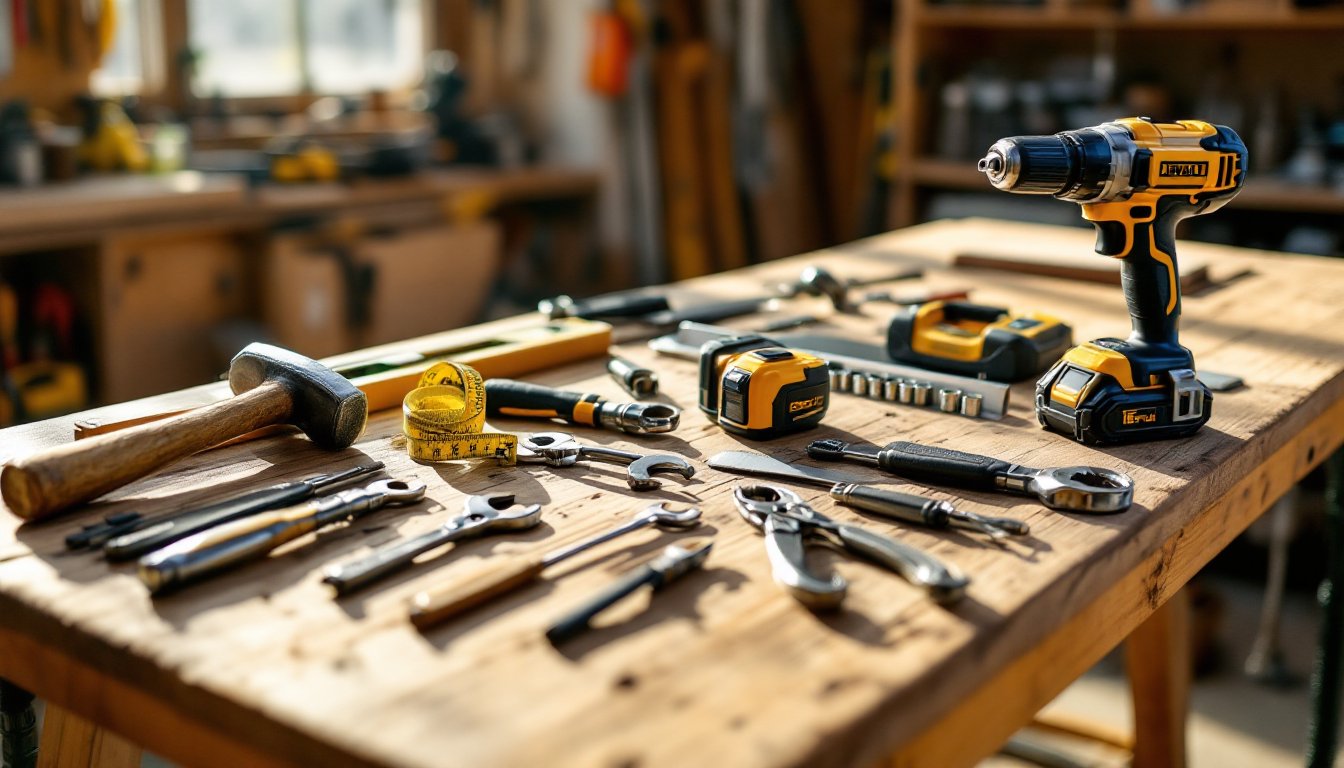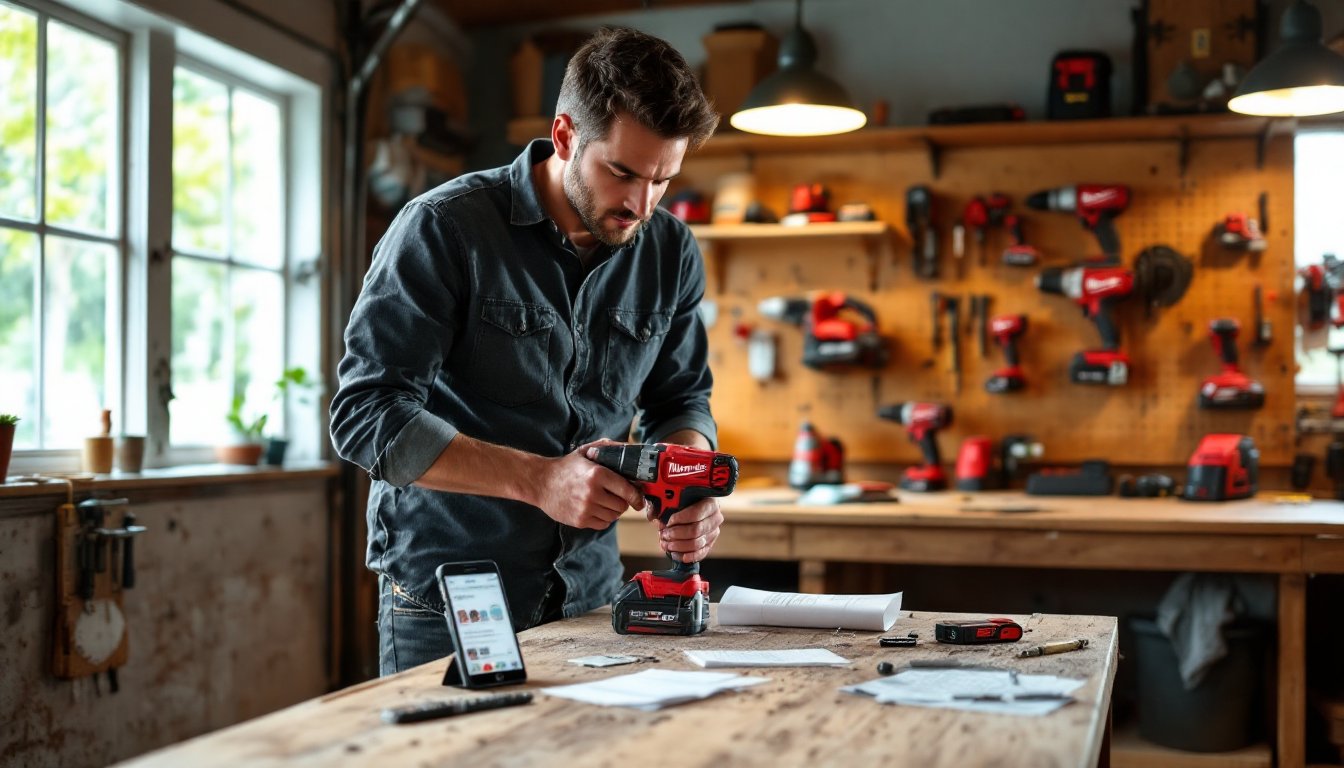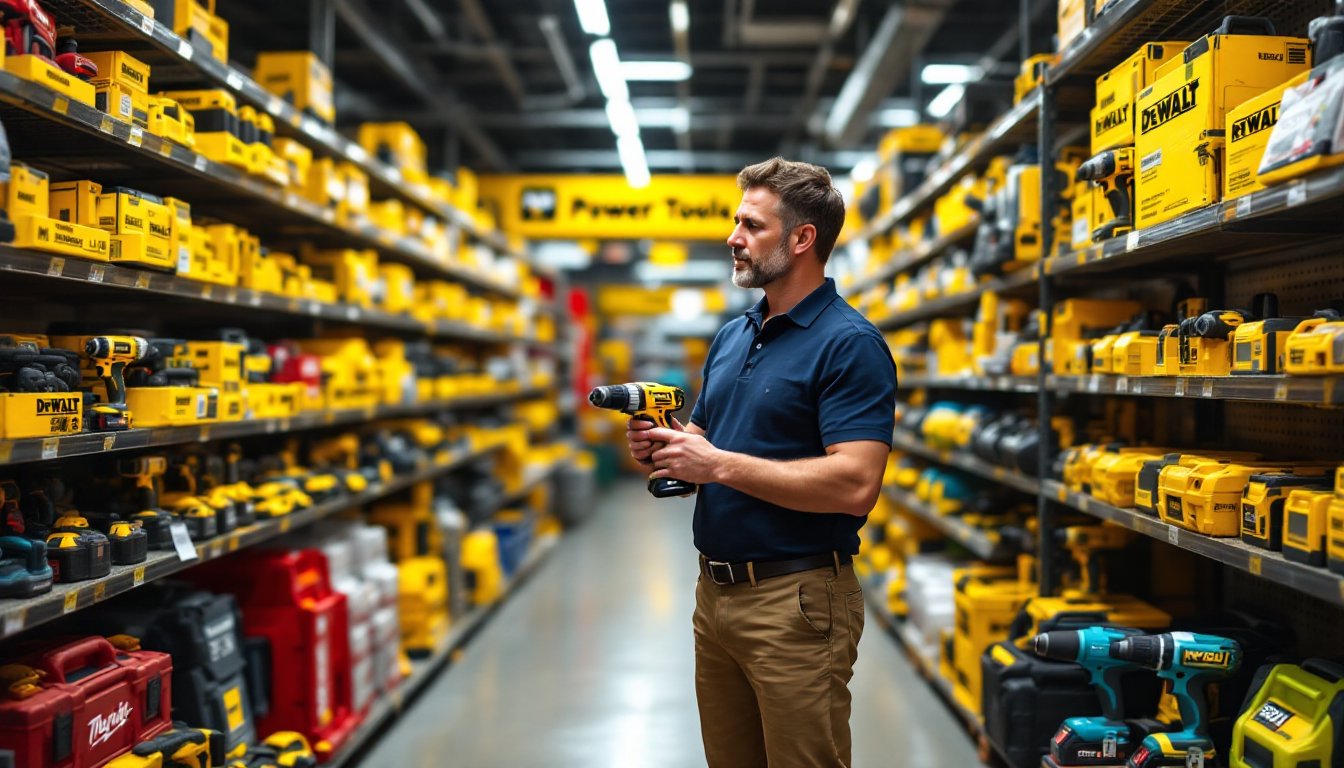
When you’re standing in the aisle of a hardware store facing dozens of power tool brands, it’s easy to feel overwhelmed. Which ones actually deliver? Which cut corners on quality? Choosing the right power tool brand can mean the difference between finishing a deck in one weekend or spending three frustrated evenings wrestling with unreliable equipment. This guide walks you through the top 10 power tool brands that serious DIYers trust, breaking down what makes each one stand out and helping you pick the brand that fits your projects and budget.
Table of Contents
ToggleKey Takeaways
- Selecting the right power tool brand affects build quality, warranty support, and battery ecosystem compatibility—committing to one ecosystem saves money and frustration.
- DeWalt, Makita, and Milwaukee lead the market: DeWalt offers professional reliability with FlexVolt flexibility, Makita delivers Japanese precision for detail work, and Milwaukee provides over-engineered durability for heavy-duty projects.
- Battery compatibility is critical; once you invest in a brand’s platform (DeWalt’s 20V, Makita’s LXT, Milwaukee’s M18), switching brands means replacing batteries, chargers, and tools.
- Budget-conscious DIYers should consider Ryobi for occasional use, while serious hobbyists and professionals should invest in premium power tool brands that hold resale value and offer longer runtimes.
- Assess your project frequency and complexity first: occasional DIYers need entry-level tools, regular builders need mid-tier brands like DeWalt or Makita, and professionals require Milwaukee or Festool’s raw power.
- Read reviews for specific tools within a brand rather than relying on brand loyalty alone, and check battery and parts availability at your preferred retailers before committing to a power tool brand.
Why Choosing The Right Power Tool Brand Matters
Your power tool brand choice affects three core things: build quality, warranty support, and battery ecosystem compatibility. A cheap drill might work fine for hanging shelves, but it’ll struggle with demanding jobs like drilling through hardwood joists or driving lag bolts into framing. Better brands engineer their tools for sustained performance under load, meaning they’ll still be running strong after 200 hours in your workshop instead of smoking out after 20.
Battery compatibility is another big reason to commit to a brand ecosystem. Most major manufacturers now use proprietary battery systems, DeWalt uses their FlexVolt platform, Milwaukee uses M18, Makita uses LXT. Once you buy your first drill, you’ll likely add a circular saw, impact driver, and other tools to that same battery family. Switching brands means replacing batteries, chargers, and tools you’ve already invested in. Warranty support matters too. Quality brands stand behind their tools with multi-year warranties and responsive customer service.
DeWalt: The Industry Leader For Professional-Grade Reliability
DeWalt dominates the market for good reason. Their 20V Max and FlexVolt (60V) systems offer serious power for DIYers stepping up from basic tools. The yellow-and-black drill is practically the default choice for contractor trucks and home workshops alike. DeWalt tools tend toward heavier builds and longer battery runtimes, their batteries stay charged longer between jobs and handle cold weather better than some competitors.
The trade-off? DeWalt gear costs more upfront. A DeWalt 20V drill-driver runs $99–$149 depending on the kit, while budget brands start at $50. But that extra cost buys you better motor durability, deeper discounts on replacement batteries, and resale value if you ever upgrade. DeWalt’s wide availability at big-box stores and specialty retailers means you’ll find batteries and spare parts without hunting. Their FlexVolt batteries (compatible across 20V and 60V tools) add flexibility for projects that demand more power.
Makita: Japanese Engineering At Its Finest
Makita brings precision Japanese manufacturing to your garage. Their LXT 18V lineup is known for balanced power, lighter weight, and smooth handling, which matters if you’re overhead drilling for a ceiling fixture or driving fasteners one-handed. Makita tools feel refined in your hands, with less vibration and more predictable torque than some competitors’ entry-level models.
Makita excels at specialist tools: angle grinders, orbital sanders, and impact wrench applications where finesse counts. Many contractors working with detail-oriented trades, carpentry, fine woodworking, electrical rough-in, reach for Makita. The LXT battery system is reliable but slightly less powerful per cell than some newer platforms, so you might swap batteries more often on heavy jobs. Pricing sits between budget brands and DeWalt, making Makita a smart pick if you want quality without the premium markup. Their warranty support is solid, and battery packs hold their charge well over time.
Milwaukee: Durability And Performance For Serious Projects
Milwaukee’s M18 system is the go-to for tradies and serious hobbyists tackling heavy-duty work. If you’re framing walls, running deck screws all day, or cutting through thick stock, Milwaukee tools are engineered for sustained output. Their M18 impact driver is legendary for holding torque without straining, and their circular saws cut with less kickback than cheaper alternatives.
Milwaukee’s build quality borders on over-engineered, you’re paying for reinforced gear housings, better thermal management, and longer tool life. The M18 battery system delivers impressive runtime, and Milwaukee offers more amp-hour configurations than some brands (1.5Ah for lightweight jobs, 5.0Ah for all-day runtime). Milwaukee does premium pricing, but second-hand Milwaukee tools hold value better than most, reflecting their durability reputation. If you’re building a workshop you plan to use for years, investing in Milwaukee upfront saves money over tool replacement cycles. They also sponsor a strong online community of users sharing project tips and tool reviews.
Other Top Contenders: Bosch, Festool, Ryobi, Hitachi, Black+Decker, Craftsman, And Skil
Bosch positions itself between Milwaukee and mid-tier brands, offering solid reliability with a focus on 18V and 12V models that perform well for homeowners. They’re especially strong in sanders and specialized finishing tools. Festool caters to detail-oriented woodworkers with premium prices and exceptional dust collection integration, overkill for basic projects but worth it if you’re building furniture.
Ryobi is the budget leader, sold mainly through Home Depot. Their 18V One+ system lets you build a kit affordably: tools are lighter and simpler, making them ideal for occasional users or DIYers learning the craft. Don’t expect the runtime or durability of premium brands, but Ryobi tools start projects without very costly. Hitachi (now under Metabo HPT) offers value-oriented 18V models with decent build quality, popular for renovations and light construction.
Black+Decker and Craftsman occupy the entry-level space. Black+Decker tools are widely available and cheap, but they’re designed for light-duty work, think assembling furniture or minor repairs. Craftsman, owned by Stanley Black+Decker, recently refreshed their lineup and now competes more seriously in the mid-tier. Skil is another budget option, best for occasional tasks rather than sustained workshop use. For hobby DIYers, Workshop Tools List: Essential Gear for Every DIYer can help you understand which tier matches your actual needs.
How To Choose The Best Brand For Your Needs
Start by honestly assessing your project frequency and complexity. If you’re hanging pictures and assembling shelves twice a year, a Ryobi drill from Home Depot works fine. If you’re framing additions, building decks, or doing regular workshop projects, jump to DeWalt or Makita. For professional-grade durability and raw power, Milwaukee or Festool deserve consideration.
Second, pick a battery ecosystem and stick with it. Don’t buy a Makita drill, then grab a Milwaukee impact driver, you’ll end up with two incompatible battery systems and double the charging clutter. Check compatibility before buying: most brands publish which tools work with which batteries. Third, consider where you’ll source repairs and batteries. Tools at Home Depot means easy restocking and returns, while specialty brands like Festool require online ordering or specialty retailers. Finally, read user reviews specific to the tool you want, not just the brand. A brand can make a great circular saw and a mediocre sander. Knowing what you’re buying matters more than brand loyalty.
Conclusion
Investing in a trusted power tool brand pays dividends over years of projects. Whether you choose the professional reliability of DeWalt, the precision of Makita, the raw durability of Milwaukee, or the value of Ryobi depends on your budget and ambition level. Start with one solid drill or driver in a reputable brand, then grow your kit around that ecosystem. You’ll finish projects faster, with fewer frustrations, and your tools will thank you by lasting through countless weekend builds.