If you’ve been following smart home technology, you’ve probably heard the buzz around Matter. This open-source connectivity standard is reshaping how homeowners build and expand their smart homes, without the frustration of proprietary ecosystems locking you into one brand. Today’s smart home landscape is shifting fast, and understanding what Matter brings to the table matters more than ever. Whether you’re a DIY enthusiast looking to add devices to your home or someone reconsidering your entire setup, this guide walks you through the latest Matter smart home news, recent announcements, and what’s actually changing for homeowners in 2026.
Table of Contents
ToggleKey Takeaways
- Matter is an open-source connectivity standard that enables seamless communication between smart home devices from different brands, eliminating the need for proprietary ecosystems and separate control apps.
- Recent 2026 updates have addressed critical stability issues including random disconnects and Thread mesh networking improvements, making multi-device setups significantly more reliable than early versions.
- Matter setup has become substantially simpler for DIY enthusiasts—just scan a setup code, assign the device to a room, and it’s complete, with setup times dropping dramatically compared to older smart home standards.
- Many existing smart home devices can gain Matter support through free firmware updates from manufacturers like Philips Hue, Eve, and Nanoleaf, so your current hardware doesn’t immediately become obsolete.
- Matter adoption among manufacturers has reached 60% of new smart home products in early 2026, with expanding device categories including garage door openers, energy management systems, and advanced lighting controls.
- A Thread border router (provided by any Matter hub) creates a self-healing mesh network that allows devices to work reliably even in weak Wi-Fi areas, removing the frustration of signal strength optimization.
What Is Matter Technology and Why It Matters for Your Home
Matter is a connectivity standard developed by the Connectivity Standards Institute (formerly the Zigbee Alliance) in collaboration with major manufacturers like Apple, Google, Amazon, and Samsung. It’s designed to let smart home devices from different brands talk to each other seamlessly, think of it as a universal language for your lights, locks, thermostats, and sensors.
Before Matter, if you bought a smart speaker from one brand, your smart lights from another, and your door lock from a third, you often needed separate apps to control each device. Setting up automations across brands was either impossible or required clunky workarounds. Matter fixes that. It uses a direct, local network connection (Thread or Wi-Fi) instead of relying on cloud servers, which also means faster response times and better reliability.
Why does this matter for DIYers? Because it means you’re not locked into an ecosystem anymore. You can mix and match devices based on which ones actually work best for your needs, not which ones play nicely with your existing setup. It also future-proofs your investment, devices built on an open standard are less likely to become orphaned or unsupported when a manufacturer loses interest.
Today’s Breaking Matter Smart Home News
The Matter ecosystem is expanding rapidly as we head deeper into 2026. New device categories are rolling out weekly, and software updates are addressing early stability concerns that plagued early adopters. Here’s what’s actually happening right now.
New Device Compatibility Announcements
One of the biggest recent announcements involves expanded device compatibility. Major manufacturers have committed to rolling out Matter support for millions of existing devices through firmware updates. This isn’t just about new hardware, if you already own a compatible smart plug, door lock, or thermostat, you may be able to enable Matter support without replacing anything.
New device categories launching in 2026 include advanced lighting controls, garage door openers, and energy management systems with real-time monitoring. Reports from sources like Digital Trends show that Thread network reliability has improved significantly, making multi-device setups more stable than they were just six months ago.
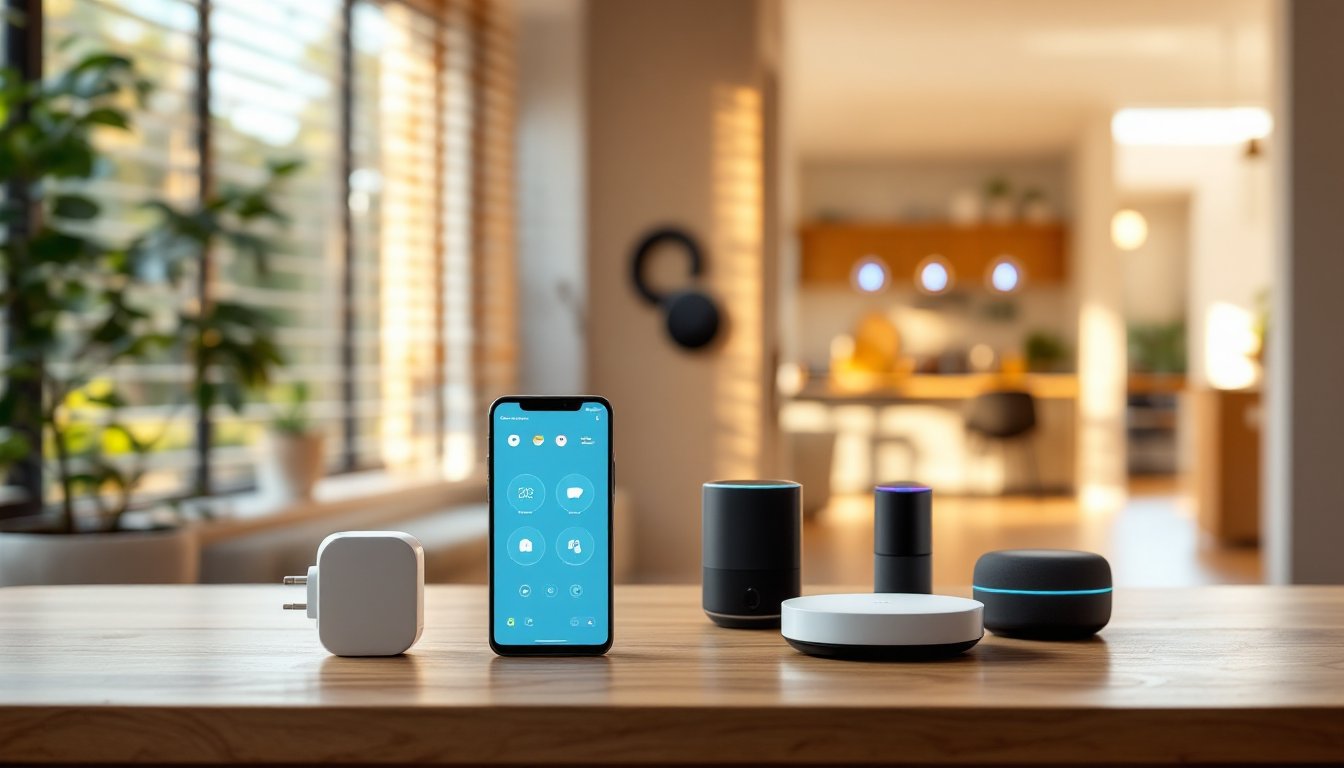
Manufacturers are also releasing more Matter hubs, the central devices that coordinate your Matter network. These range from basic bridges that add Matter support to existing smart speakers, to dedicated hubs built specifically for Thread performance. If you’re planning a larger DIY automation project, having a reliable hub is non-negotiable.
Recent Software Updates and Improvements
Software has been the real star of early 2026. Matter’s core protocol received critical stability patches that eliminated random disconnects, a frustrating issue that plagued early users. The latest updates focus on improving Thread mesh networking, which is what keeps devices connected when Wi-Fi isn’t practical.
Ecosystem updates from major platforms now include better cross-brand automation. You can finally create a scene in one app that controls devices from three different manufacturers without any workarounds. Response latency has also dropped noticeably: commands now execute in milliseconds rather than the second-plus delays some users experienced before.
Another significant improvement: Matter controllers (like smart displays or apps) now handle offline gracefully. If your internet goes down, Matter devices on the local network continue working, which is huge for basic home automation functions like turning on a light or checking a lock status.
How Matter Is Simplifying Smart Home Setup for DIY Enthusiasts
From a pure DIY perspective, Matter is removing barriers that used to make home automation projects unnecessarily complicated. Here’s what’s actually changed for someone building a smart home themselves.
First, device selection. Instead of researching whether a new device plays nicely with your existing ecosystem, you just check if it’s Matter-certified. That one badge on the box tells you everything, it’ll work with any other Matter device, period. No compatibility charts, no “works with” labels that only cover half your setup.
Second, setup is genuinely simpler. Most Matter devices now ship with a setup code printed on the back or in the manual. You scan it with your phone, assign the device to a room, and it’s done. The latest reviews from CNET confirm that Matter setup times have dropped dramatically compared to the manual Wi-Fi credential entry that plagued earlier smart home standards.
Third, network reliability for DIY installations has improved. Thread creates a self-healing mesh network, if one device loses connection, it automatically routes through another. This means you don’t have to obsess over Wi-Fi signal strength or placement the way you used to. A Thread border router (which any Matter hub provides) handles the bridge between your Wi-Fi network and Thread devices, so you can install devices in weak Wi-Fi areas and they’ll still work reliably.
For someone tackling a multi-room automation project, this is game-changing. You’re not fighting proprietary ecosystems or learning three different app interfaces. You’re building one cohesive system where every piece communicates at the protocol level, not just through cloud synchronization.
The Impact on Your Current Smart Devices and Future Upgrades
If you’ve already invested in smart home devices, you’re probably wondering whether your existing hardware becomes obsolete. The short answer: it depends, but most things are fine for now.
Existing devices that predate Matter won’t magically gain Matter support unless the manufacturer releases a firmware update. But, many do. Check your manufacturer’s app or website, Philips Hue, Eve, Nanoleaf, and numerous other brands have released Matter firmware updates for devices sold years ago. If a firmware update is available, you get Matter compatibility for free.
Devices that don’t get updated won’t stop working. They’ll just continue operating the way they always have. You can run a hybrid smart home where some devices use Matter and others don’t. A Matter-compatible hub acts as a central control point and can typically bridge non-Matter devices too, though that depends on the specific hub.
For upgrades, Matter becomes the sensible choice. When you’re ready to add new devices, prioritize Matter-certified products. They’ll integrate cleanly with whatever else you install, and you won’t have to worry about compatibility problems down the road. According to Tom’s Guide, Matter adoption among manufacturers hit 60% of new smart home products in early 2026, and that number keeps climbing.
One practical consideration: if your home still relies on a single-brand ecosystem (all Google Home devices, all Apple HomeKit, etc.), you don’t urgently need Matter. Your current setup works fine. But if you own devices from multiple brands, which most DIYers do, Matter is the logical direction. It simplifies expansion and makes future projects less complicated. Also, staying informed through Home Goods News: Latest keeps you current on product releases and compatibility updates as the ecosystem evolves.
Conclusion
Matter isn’t hype, it’s a practical shift in how smart home devices communicate. The latest 2026 updates prove the ecosystem is stabilizing and expanding into categories that matter for real homes: locks, thermostats, lighting, and energy management. For DIY enthusiasts, it means simpler setup, fewer compatibility headaches, and genuine future-proofing for your investment. Whether you’re starting fresh or expanding an existing system, prioritizing Matter-certified devices is the smart move moving forward.