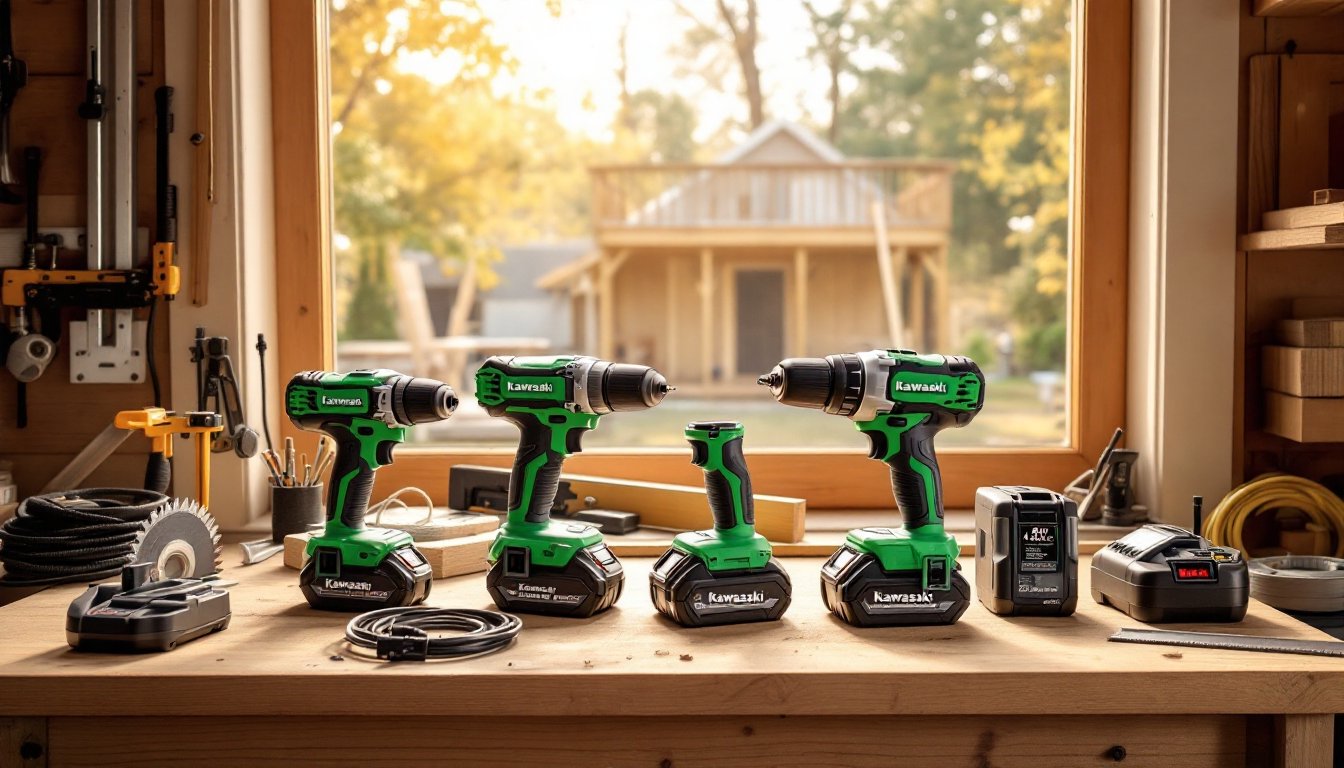
Kawasaki has earned a solid reputation in the power tool space, though many homeowners still associate the brand primarily with engines and heavy equipment. The truth is, Kawasaki power tools deliver the same precision and durability to your workshop that made the company a leader in outdoor power equipment. Whether you’re tackling a deck rebuild, hanging shelves, or cutting trim for a renovation, Kawasaki offers a range of tools designed for serious DIYers who won’t settle for flimsy equipment. This guide walks you through what makes Kawasaki tools stand out, which models deserve a spot in your workshop, and how to pick the right tool for your next project.
Table of Contents
ToggleKey Takeaways
- Kawasaki power tools deliver durability and precision through robust engineering, die-cast aluminum housings, and brushless motor technology that require less maintenance than competitors.
- Cross-compatible 18V and 20V battery systems across Kawasaki’s tool lineup allow you to invest in quality batteries once and build your collection over time without purchasing separate power packs.
- Impact drivers excel at driving long fasteners into hardwood with minimal hand strain and are essential for deck projects and cabinet installation, while drill-drivers offer variable speed control for precision work like pilot holes in trim.
- Battery amp-hours (Ah) matter more than voltage for runtime; a 4.0Ah battery provides significantly longer use than a 1.3Ah battery at the same voltage, making it ideal for extended DIY projects.
- Kawasaki power tools position themselves in the middle price range—more affordable than professional-grade equipment but built for serious DIYers who prioritize long-term reliability over cutting costs.
- Start with a basic 18V drill-driver and impact driver kit ($150–$200) to match your actual project needs before investing in specialized tools like reciprocating saws or circular saws.
What Sets Kawasaki Power Tools Apart
Kawasaki power tools are built with the same engineering philosophy as the brand’s industrial equipment: robust, low-maintenance, and designed to work hard day after day. Unlike some tool brands that chase trends, Kawasaki focuses on reliability and user control. Their motors run cool, batteries hold a charge longer than competitors in the same price range, and the ergonomics won’t leave your hands cramping after an hour of use.
One thing DIYers notice immediately is build quality. Kawasaki uses die-cast aluminum housings and reinforced chuck heads instead of plastic components that crack after a few drops. The brushless motor technology in newer models means less maintenance and longer tool life, no brushes to replace, less heat buildup. That translates to real savings when you’re balancing a household budget.
Battery compatibility is another strength. Kawasaki’s 18V and 20V batteries work across their entire tool lineup, so you’re not buying separate power packs for each tool. That flexibility appeals to DIYers who’d rather invest in a strong battery system once and build their collection over time. Plus, their chargers are faster than older models, most deliver a full charge in 30 to 60 minutes.
Price positioning sits in the middle ground: not the cheapest homeowner tools, but significantly less than professional-grade alternatives. You’re paying for durability and design, not brand prestige.
Essential Kawasaki Tools for Home Improvement Projects
Impact Drivers and Drills
The Kawasaki 18V Compact Impact Driver is a workhorse for fastening and light drilling. Impact drivers are essential if you’re driving 3-inch deck screws into pressure-treated lumber or installing cabinet hardware, the rotational force absorbs kickback that a regular drill can’t handle, and you finish faster with less hand strain. The compact design fits into tight spots inside cabinets or between wall studs during framing.
Impact drivers excel at driving long screws into hardwood without slipping. They’re also lighter than combo drills, which matters when you’re working overhead for drywall anchors or ceiling fan installation. Expect to pay $60 to $120 for a bare tool (without battery).
For drilling holes or driving shorter fasteners in lighter materials, a drill-driver gives you variable speed control that an impact driver doesn’t. Kawasaki’s 18V drill-driver models offer two-speed transmission (0–450 rpm for precision work, 0–1,200 rpm for faster production). If you’re drilling pilot holes in trim molding or installing cabinet faces, the lower speed gives you the finesse an impact driver can’t deliver. Many DIYers buy both tools because they handle different jobs equally well.
Battery runtime matters. Kawasaki’s 2.0Ah batteries handle light projects: 4.0Ah batteries are better if you’re working on larger renovations where you might need a tool running for several hours straight. Always charge a second battery while using the first, downtime kills momentum.
Saws and Cutting Tools
Kawasaki circular saws are popular for framing and deck work. The 18V Circular Saw cuts through 2×10 framing lumber at a 45-degree angle in one pass, making miter cuts for fascia or angled trim straightforward. Circular saws are also portable, much lighter to haul than a miter saw when you’re cutting on-site in awkward spaces.
Circular saws work best with a speed square or miter-cut guide for consistent angle cuts. Blade choice matters: a standard 24-tooth blade handles framing: a 40-tooth blade gives cleaner crosscuts in finished materials. Replace dull blades immediately, dull teeth burn wood and pull the saw off line.
For precision angle cuts in trim and molding, a miter saw (if you own one) paired with a Kawasaki handheld work better than a circular saw. But, if budget or space limits you to one tool, the circular saw does both jobs, it just takes slightly more setup and a steadier hand.
Kawasaki reciprocating saws (sawzalls) are excellent for demolition and cutting in tight spaces like window opening rough-outs or plumbing access holes. The oscillating blade cuts through both wood and metal depending on blade selection. They’re not precision tools, but they’re invaluable when you need speed over accuracy. Always use eye protection and a dust mask, reciprocating saws kick up significant dust and debris.
How to Choose the Right Kawasaki Tool for Your Needs
Start with your project scope. Hanging a bookshelf? An 18V drill-driver and impact driver handle that job easily. Rebuilding a 12×16 foot deck? You’ll want higher amp-hour batteries and probably multiple batteries rotating through chargers to keep up with fastening and cutting work across several days.
Battery voltage matters less than runtime. An 18V Kawasaki with a 4.0Ah battery outperforms an 18V with a 1.3Ah battery, even though the voltage is identical. Amp-hours (Ah) tell you how long a battery runs: wattage (W) indicates power under load. For typical DIY work indoors, installing trim, hanging cabinets, drilling holes, 18V is adequate. For heavy outdoor work or extended use, 20V systems provide better performance, though they’re pricier.
Consider your workshop’s existing tools. If you already own DeWalt or Milwaukee cordless tools, you won’t gain cross-compatibility with Kawasaki batteries (each brand has proprietary connections). Kawasaki makes sense if you’re starting a collection from scratch or deliberately switching brands.
Tool weight and balance affect comfort during extended use. Hold a tool before buying if possible, online specs don’t capture how a 4-pound drill feels after hanging 50 cabinet screws. Kawasaki tools trend toward balanced, not front-heavy, which reduces wrist fatigue.
Read independent reviews on sites like Family Handyman, which publishes hands-on tool tests from actual users. YouTube DIY channels often run drill and driver comparisons under real-world conditions. Trust reviews that show failure points (rust on metal parts, battery degradation after 2–3 years, chuck wobble) rather than polished manufacturer marketing.
Start with a basic 18V drill-driver and impact driver kit if you’re new to power tools. Most bundle two batteries and a charger for $150 to $200. Once you know your usage patterns, add specialized tools: reciprocating saw for demolition, circular saw for framing, impact wrench for automotive work. You don’t need ten tools on day one.
Conclusion
Kawasaki power tools hit the sweet spot for serious homeowners and DIY enthusiasts who demand durability without overpaying for professional-grade equipment. Strong motors, cross-compatible batteries, and practical ergonomics make them worth considering for your next workshop investment. Pick tools that match your actual project needs, invest in good batteries and a quality charger, and you’ll build a collection that lasts through decades of renovations.