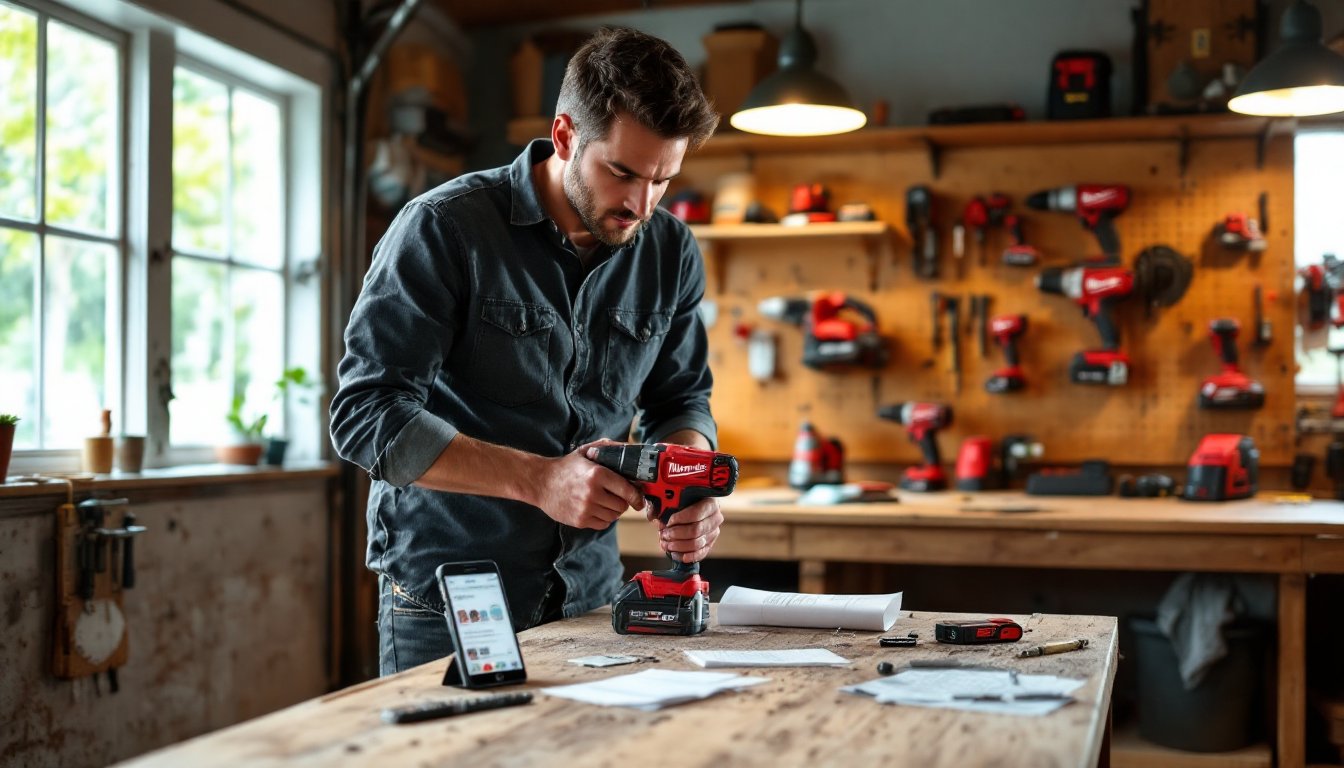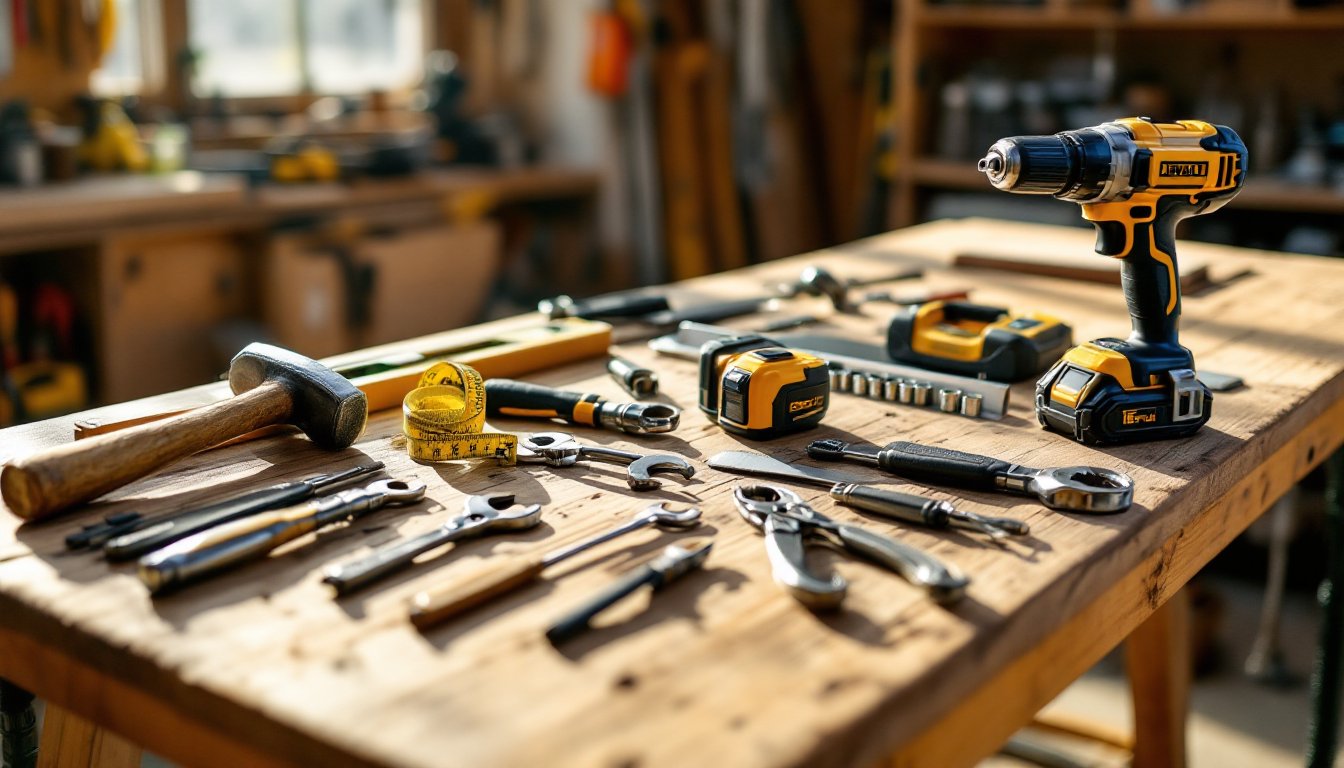
The hand tools market is booming, and for good reason. Whether you’re tightening a loose hinge or framing a deck, the right hand tools make all the difference between a project that runs smoothly and one that turns into a frustration fest. In 2026, the hand tools market continues to expand, driven by a surge in DIY interest and home improvement projects among homeowners who’d rather tackle repairs themselves than call a contractor. Understanding what’s driving this growth, and which tools deserve space in your toolbox, can help you invest wisely and build projects that last.
Table of Contents
ToggleKey Takeaways
- The hand tools market continues to expand in 2026, driven by growing DIY interest, digital learning resources, and homeowners choosing affordability over contractor costs.
- Essential hand tools for DIY projects include a hammer, screwdrivers, tape measure, level, adjustable wrench, pliers, and a cordless drill-driver, which cover 90% of home improvement needs.
- Mid-range hand tools ($20–$60) offer the best value for DIY enthusiasts, providing durability and comfort for typical home projects without the premium price tag.
- Quality hand tools can be purchased from big-box retailers, specialty shops, online platforms, pawn shops, or directly from manufacturers—each offering different benefits in convenience, expertise, and pricing.
- Proper maintenance of hand tools through daily wiping, dry storage, and seasonal inspections extends their lifespan by decades and ensures reliable performance on every project.
Market Size and Growth Trends
The global hand tools market has experienced steady expansion over the past five years, and 2026 shows no signs of slowing down. Industry data indicates the market is valued in the billions, with consistent year-over-year growth fueled by both professional contractors and homeowners investing in quality equipment.
Several factors are driving this surge. First, the pandemic shifted attitudes toward home ownership and maintenance, people spent more time at home and realized they could solve problems themselves rather than waiting for service appointments. Second, digital tutorials and content platforms make it easier than ever to learn proper techniques. Third, younger homeowners and renters are embracing the DIY lifestyle as a cost-saving measure and a way to personalize their spaces.
The market is also segmented by tool type and quality tier. Budget-conscious buyers still represent a large segment, but there’s a notable uptick in mid-range and premium tool purchases. DIYers are learning that a $40 hammer lasts longer and delivers better results than a $15 impulse buy. Professional-grade tools once exclusive to contractors are now accessible to home improvers who want durability without the contractor price tag.
Regionally, growth is strongest in North America and Europe, where home improvement spending remains robust. Emerging markets are also beginning to invest in hand tools as construction and home ownership increase. For DIY enthusiasts, this competitive market means more innovation, better ergonomics, and more options at every price point.
Essential Hand Tools Every DIY Enthusiast Should Invest In
You don’t need a garage full of tools to tackle 90% of home projects. Start with the basics, add as your skills and projects grow, and focus on quality over quantity.
The Core Lineup:
• Hammer (16-ounce claw): The workhorse of any toolbox. A curved claw handles nail removal: weight matters for driving nails without fatigue. Avoid those ultra-light options, they require more swings.
• Screwdrivers (Phillips and flathead multi-bit or individual handles): Buy a quality set with comfortable grips. Cheap handles slip and round off screw heads.
• Tape Measure (25-foot minimum): A spring-loaded blade with a standout of at least 10 feet. A dull or sticky tape wastes time.
• Level (24-inch): Essential for hanging shelves, cabinets, and door frames. A torpedo level (9-12 inches) fits tight spaces: a longer version covers larger surface areas.
• Adjustable Wrench and socket set: Covers plumbing and appliance repairs. A ratchet wrench speeds up repetitive fastening.
• Pliers (slip-joint and locking): One adjusts: the other grips. A locking pair (Vise-Grips style) is invaluable for stubborn work.
• Miter Box and Handsaw (or a circular saw for bigger cuts): For crosscutting lumber. A handsaw suffices for small projects: a power saw saves time on framing.
• Drill-Driver (cordless): Not technically hand-powered, but essential for any modern DIYer. A 18-20 volt model handles most residential work.
These tools cover framing, assembly, plumbing, electrical (safe terminations), and general repairs. As you take on more complex projects, cabinet making, finish carpentry, or furniture building, you’ll add specialized tools like chisels, a block plane, or a square. For now, invest in construction hand tools that feel good in your hand and come with a warranty. Brands matter less than reputation: read reviews from other DIYers before buying.
Quality Versus Budget: Finding the Right Tools for Your Projects
The pricing hierarchy in hand tools is real, and understanding it prevents buyer’s remorse.
Budget Tools ($5–$20 per item): These work fine for occasional, light-duty use, fixing a picture frame, hanging a light, or minor repairs. Don’t expect them to last. Handles crack, heads loosen, and precision erodes after a few dozen uses. Buy budget if you’re testing a tool type before committing to a larger project.
Mid-Range Tools ($20–$60 per item): This is where most DIY enthusiasts spend their money, and for good reason. Mid-range brands offer durability, comfort, and acceptable accuracy for 95% of home projects. A mid-range hammer won’t slip in your grip mid-swing: a mid-range tape measure stays rigid and reads true. You’ll enjoy using these tools, and they’ll outlast several budget replacements.
Premium Tools ($60+): Designed for daily professional use or serious hobbyists. Better materials, tighter tolerances, and lifetime warranties. A $80 adjustable wrench feels smoother and adjusts more precisely than a $12 version. Premium tools are worth it if you tackle major projects regularly or work in a specific trade.
The Smart Approach: Invest mid-range or premium in tools you use every project, hammers, tape measures, levels, screwdrivers. Buy budget or rent specialty tools you’ll use once (a drywall taping kit, a circular saw for one deck project). Watch for sales: quality tools often drop 20–30% during holiday promotions.
When in doubt, research reviews on platforms like Amazon or Fine Woodworking. Real users report where budget tools fail and where premium features justify the cost. A tool kit for home projects should reflect how often you’ll use each item and the stakes if it fails mid-project.
Where to Buy Quality Hand Tools
Finding quality hand tools has never been easier, but knowing where to shop helps you avoid fakes and get good value.
Big-Box Retailers (Home Depot, Lowe’s): Convenient, consistent stock, and clear return policies. Their house brands (DeWalt, Kobalt) offer solid mid-range quality. Prices are competitive, and you can inspect tools before buying. Downsides: crowds and limited expert advice.
Specialty Tool Shops: Local hardware or woodworking stores employ staff who actually use the tools. They stock premium and niche brands you won’t find at big-box stores. Prices are higher, but the expertise and curated selection often justify the cost. Call ahead to confirm stock.
Online Retailers (Amazon, Walmart, eBay): Huge selection, often lower prices, and home delivery. Downside: can’t inspect before buying, and counterfeits slip through occasionally. Buy only from verified sellers with strong ratings. Check return policies, some tools can’t be shipped back.
Pawn Shops and Estate Sales: You’ll find used, high-quality tools at a fraction of retail. Vintage hand tools (pre-1990s) were often built to last, and a quick cleaning restores them. Inspect for cracks, loose heads, or rust before buying. No warranty, so caveat emptor.
Direct from Manufacturers: Some premium brands sell direct online. You’ll get the lowest price and genuine products, but no showroom to inspect. Brands like Lie-Nielsen and Narex (woodworking tools) ship quickly and offer good support.
When buying online, cross-reference product codes to avoid counterfeits. Read recent reviews to catch quality changes, some brands have been outsourced and lost their edge. For power tools and electrical workshop tools, buy from authorized dealers to ensure warranty coverage.
Maintaining Your Tools for Longevity
Quality tools demand minimal maintenance, but a little care extends their life by decades.
Daily Habits:
• Wipe down metal parts with a dry cloth after use. Moisture causes rust, especially in humid climates.
• Keep handles clean and dry. Sawdust and grime build up and create a slippery grip.
• Store tools in a dry space, a garage shelf, toolbox, or wall-mounted rack. Avoid damp basements or unheated sheds.
• Return tools to their place immediately after use. Losing a tool costs time and money.
Seasonal Maintenance:
• Check for rust on metal surfaces. A light coat of 3-in-1 oil or a penetrating spray (like WD-40) prevents surface rust and eases stuck mechanisms.
• Inspect wooden handles for cracks or splinters. Sand smooth or refinish with linseed oil if needed.
• Sharpen blades (saws, chisels, plane irons) annually. A dull blade works harder, tires you out, and produces worse results. Use a whetstone, honing guide, or send specialty tools to a professional sharpening service.
• Test moving parts (pliers, adjustable wrenches, drill chucks). Tighten if loose: lubricate if stiff.
Storage Tips:
Organize your workshop tools list so you can find what you need. A toolbox separates tools from dust and moisture. Wall-mounted pegboards or magnetic strips keep frequently used hand tools visible and accessible. Label drawers or containers for quick grabbing during a project.
Invest in a dehumidifier if you store tools in a basement or garage in a humid climate. Silica packets in a toolbox absorb moisture. For long-term storage, coat metal parts lightly with rust preventative.
Proper maintenance isn’t complicated, it’s mostly common sense. A tool treated with respect repays that respect with years of reliable performance. Resources like Popular Mechanics and Fix This Build That offer detailed guides on tool care and restoration.
Conclusion
The hand tools market’s growth reflects a simple truth: homeowners want to solve their own problems and save money in the process. Investing in quality, essential hand tools puts you in control of your projects and your home. Start with the basics, buy mid-range where it counts, and maintain what you own. Your toolbox will become as reliable as your determination to get the job done right.