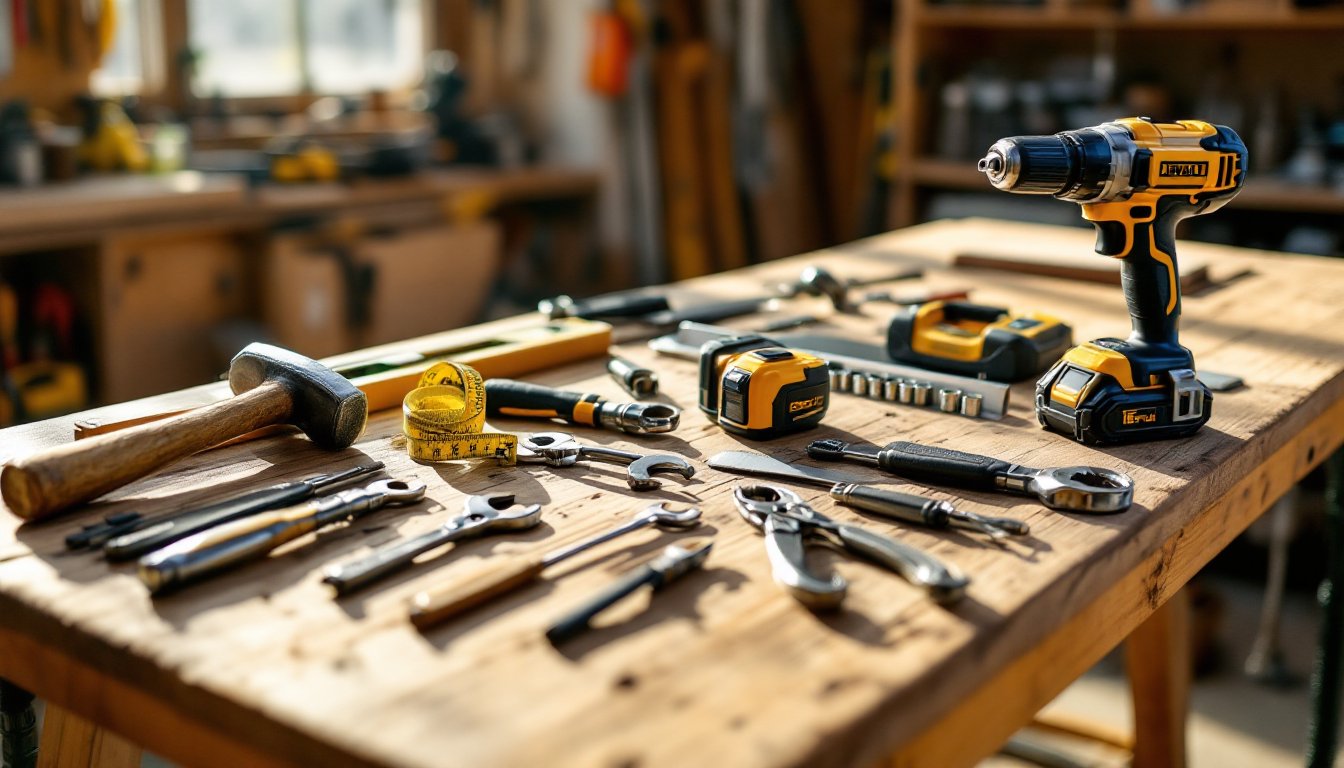
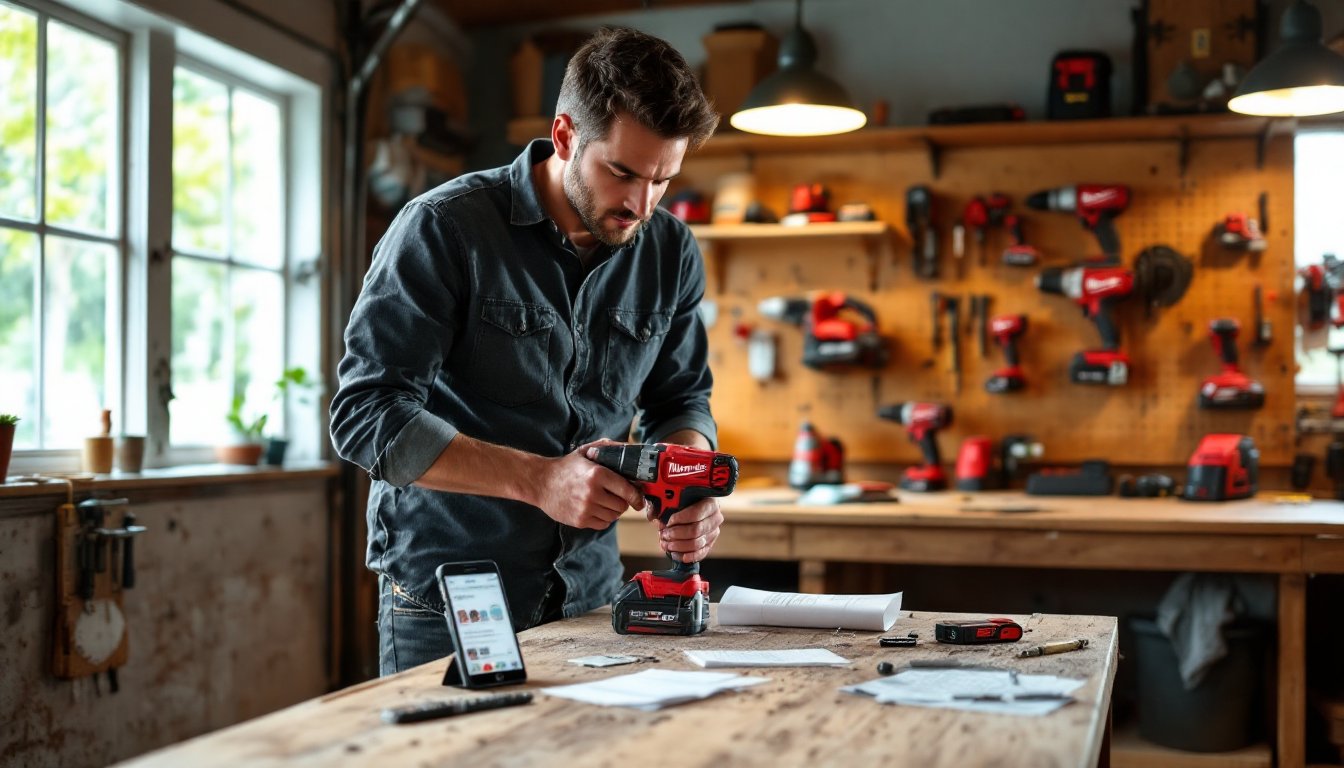
Whether tackling a squeaky door hinge, hanging shelves, or building a deck, the right hand tools can mean the difference between a satisfying project and a frustrating mess. Hand tools are the foundation of every DIYer’s arsenal, reliable, affordable, and capable of handling tasks that power tools can’t touch. Unlike trendy gadgets that come and go, iconic hand tools have proven their worth over decades. They don’t require batteries, outlets, or a learning curve. Building a practical toolbox doesn’t mean buying everything at once: it means understanding which tools deliver real value for the projects you actually tackle. This guide walks through the essential hand tools every homeowner should consider, how to choose quality gear, and how to keep them in working order.
Table of Contents
ToggleKey Takeaways
- A 16-ounce claw hammer and quality multi-bit screwdriver are foundational icon hand tools that handle 80% of typical household projects without requiring power or special skills.
- Iconic hand tools remain reliable and affordable across decades because they prioritize simplicity and engineering precision over trendy features or unnecessary complexity.
- Building an effective first toolbox means starting with essential measuring, fastening, cutting, and helper tools focused on projects you actually tackle, rather than buying complete 200-piece sets.
- Quality hand tools separate from cheap alternatives through drop-forged steel construction, comfortable ergonomic grip, and manufacturer warranties that reflect real engineering confidence.
- Proper maintenance—daily wiping, keeping blades sharp, dry storage, and yearly inspections—protects your icon hand tools from rust and premature wear while extending their usable lifespan for decades.
The Most Iconic Hand Tools for Home Projects
Certain hand tools have earned their iconic status because they work reliably and handle a huge range of tasks. These aren’t fancy, they’re proven.
Hammers and Mallets
A good hammer is non-negotiable. The 16-ounce claw hammer is the standard for most homeowners because it’s versatile enough for hanging pictures, assembling furniture, and light framing work. The weight matters: too light and you’ll exhaust yourself: too heavy and you’ll lose control. Pick one up in person when possible, it should feel balanced in your hand, not top-heavy.
For softer work like installing trim or tapping in chisels without damage, a rubber mallet complements your claw hammer nicely. It won’t mar wood surfaces or dent metal as easily as a steel head.
The claw, that curved end, is essential for pulling nails. Good claw hammers have a slightly flared claw that grips nails confidently. When removing nails, place a thin scrap of wood under the hammer head to protect the surface you’re working on. This simple habit prevents gouges and saves frustration later.
Screwdrivers and Multi-Bit Tools
Skip the junk drawer of mismatched screwdrivers. Instead, invest in a quality multi-bit screwdriver or a set of individual screwdrivers covering the basics: Phillips head (#1, #2, #3), flat head (small, medium, large), and square drive (Robertson) bits.
Phillips and flat-head screws are everywhere in home projects. Square-drive screws grip better and cam out less easily, carpenters love them. A power drill with screwdriver bits handles repetitive fastening fast, but a manual screwdriver gives you more control for delicate trim work or when driving screws into hardwood where you need to feel the resistance.
Look for screwdrivers with comfortable, non-slip handles, you’ll use them constantly. The shaft should be magnetic to hold fasteners, especially when working overhead.
Building Your First Toolbox: What You Actually Need
Most DIYers overestimate what they need starting out. A focused core collection handles 80% of household tasks. Start here and add tools as projects demand, don’t buy a 200-piece set gathering dust.
Essential measuring and marking tools:
- 25-foot tape measure with a 1-inch blade (wider blades stay extended longer without bending)
- Speed square for marking 45° and 90° angles on trim and framing
- Pencil for marking (easier to see than pen, easier to erase than marker)
- Torpedo level (2-foot length) for checking plumb and level on shelves, frames, and cabinets
Fastening and removal:
- One quality claw hammer (16 oz)
- Multi-bit screwdriver or individual drivers (Phillips #2, flat head medium, square drive #2)
- Adjustable wrench (10-inch) for nuts and bolts on fixtures
- Locking pliers (Vise-Grips style) for gripping, twisting, and holding
Cutting and prying:
- Handsaw (9-12 point) for cutting lumber and trim: slower than power saws but precise and quiet
- Pry bar (15-16 inch) for opening paint cans, removing trim, and gentle demolition work
- Utility knife with sharp blades for drywall, shingles, and cardboard
Everyday helpers:
- Flashlight or headlamp (you’ll need to see inside cabinets and dark corners constantly)
- Clamps (at least two bar clamps or C-clamps: they hold things together while you drive fasteners)
- Stud finder if you’re hanging anything heavy
Staging a first toolbox around specific projects works better than abstract shopping. Building shelves? Add a drill and screwdriver bits. Hanging art? Tape measure and level. Painting? Utility knife and drop cloths matter more than fancy brushes. The Workshop Tools List: Essential Gear for Every DIYer breaks down project-specific tool needs more deeply.
Choosing Quality Hand Tools for Long-Term Use
Cheap tools frustrate you, wear quickly, and sometimes break mid-project. Quality doesn’t always mean expensive, it means the right tool for the job, built to take a hit.
What separates quality from junk:
Material matters. Steel quality varies. Drop-forged steel (shaped under a hammer, not cast) is stronger and less prone to cracking than cast metal. Look for “drop-forged” on the label. The handle should feel solid, wood, fiberglass, or overmolded rubber all work, but they shouldn’t flex excessively or have rough edges.
Fit and feel. A hammer that feels clumsy in your hand will tire you faster and lead to missed swings. Spend 30 seconds holding it. Does the weight balance feel natural? Can you grip it comfortably? This matters more than brand reputation.
Warranty and support. Brands like Estwing, Vaughan, and Stanley back their tools for life or decades. If a tool breaks under normal use, that manufacturer replaces it. This confidence reflects real engineering.
Avoid penny-pinching mistakes. Buying six cheap screwdrivers that strip fasteners faster than you can drive them costs way more in wasted time than one good driver. The Tools Everyone Should Have: Unlock Your DIY Potential guide outlines how to evaluate tool quality by type.
When shopping for essentials like hammers or wrenches, compare weight, grip comfort, and material specifications side by side. Read reviews from users doing real work, not just “good tool” but specific feedback on durability and performance. According to research on the greatest tools in history, the hand tools that survive decades are those that balance simplicity with engineering precision.
Maintenance Tips to Keep Your Tools in Top Condition
Good tools deserve care. Maintenance is cheap insurance against rust, dullness, and premature wear.
Daily habits:
Wipe metal tools clean after use, especially if they’ve been wet or exposed to rain. Dust from drywall or sawing creates a fine abrasive that scratches protective finishes. A dry cloth and five seconds prevent corrosion starting.
Keep sharp tools sharp. A dull utility knife blade is dangerous, it slips more easily and forces you to apply pressure you don’t need. Replace blades frequently (they’re cheap). For hand saws and chisels, hone or sharpen them regularly. A family handyman who maintains sharp blades makes faster, safer cuts.
Storage:
Store tools in a dry place, ideally indoors. A toolbox or wall-mounted rack keeps them organized, protected, and easy to find. Don’t pile them loosely in a garage where humidity and temperature swings encourage rust.
For expensive or less-used tools, a light coat of machine oil on metal surfaces prevents oxidation. Wipe off excess before using, you don’t want oily handles.
Periodic maintenance:
Once yearly, inspect handles for splinters or cracks. Sand smooth or replace if needed. Check hammer and mallet heads for looseness: tighten or replace wedges if they move.
Lubricate moving parts, wrench pivots, plier hinges, clamp threads, with light machine oil or a dry lubricant like silicone spray. This keeps them functioning smoothly and prevents squeaking.
Rust is the enemy. If light surface rust appears, scrub it with steel wool and oil. Deep pitting in working surfaces means that tool is reaching the end of its life, it’s time to replace it. Proper storage prevents most rust before it starts.
Those building furniture or tackling woodworking projects understand maintenance deeply, woodworking project plans and workshop setup guides emphasize tool care as part of craftsmanship.
Conclusion
Iconic hand tools endure because they’re simple, effective, and rewarding to use. A thoughtfully assembled toolbox, built around your actual projects, not fantasy renovations, becomes an extension of how you solve problems around the home. Start small, buy quality where it counts, and maintain what you own. The common hand tools you’ll rely on for decades are waiting in your local tool section. Invest in them, respect them, and they’ll deliver results for years to come.