Building a capable toolbox starts with knowing what’s in it. Whether you’re tackling a leaky faucet, hanging shelves, or framing a wall, you need to speak the language of hand tools, the names, what they do, and why they matter. Hand tools names might seem straightforward, but there’s more nuance than just “hammer” or “wrench.” Understanding the different types, their specific applications, and how to use them safely separates a successful project from a frustrating one. This guide walks through the essential hand tools every homeowner should have on hand, breaking down each category with clarity and practical context.
Table of Contents
ToggleKey Takeaways
- Hand tools names—from claw hammers to adjustable wrenches—each serve specific purposes; investing in quality basics beats buying cheap alternatives that feel awkward and underperform.
- Precision measuring tools like 25-foot tape measures, levels, and chalk lines prevent costly cascading errors and are essential for projects requiring permits and professional inspection.
- Cutting tools including crosscut saws, chisels, and hacksaws demand regular maintenance, sharp edges, and proper eye protection to ensure safety and project accuracy.
- Gripping and holding implements like slip-joint pliers, locking pliers (Vise-Grips), and clamps free your hands during assembly and fastening, reducing frustration and hand strain.
- Organizing hand tools in a toolbox or wall-mounted holder ensures you know exactly where each tool is when needed, improving efficiency and project outcomes.
The Foundation: Basic Hand Tools for Every Toolbox
Hammers, Screwdrivers, and Wrenches
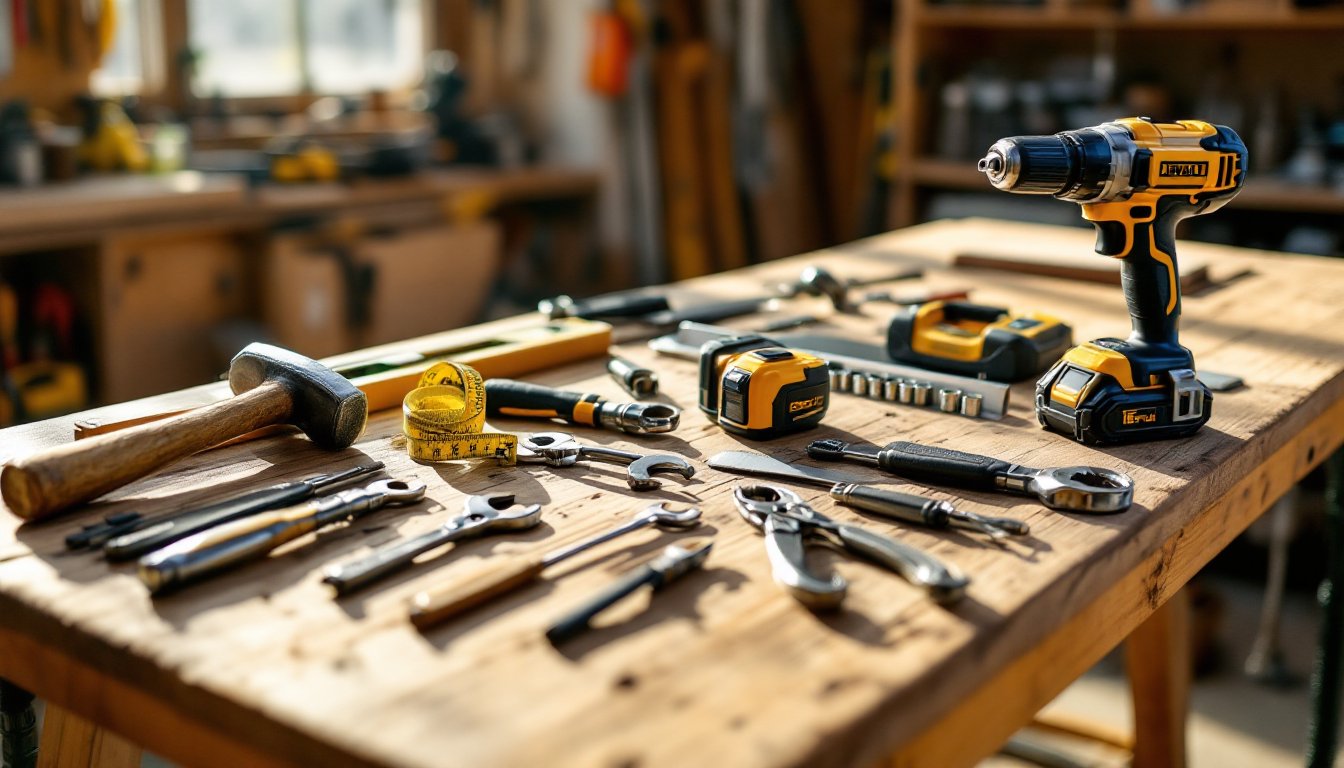
Every toolbox starts here. The claw hammer (typically 16 oz) is your first purchase, it drives nails and pulls them out with the curved claw on the back. This is the multipurpose workhorse for framing, hanging drywall, and general carpentry. Don’t confuse it with a ball-peen hammer (machinist’s tool) or a sledgehammer (demolition work): they’re specialized and unnecessary for basic home projects.
Screwdrivers come in two main types: Phillips head (cross-shaped bit) and slotted (flat bit). Newer homes also use Robertson (square bit, very common in Canada) and Pozidriv (looks like Phillips but sharper). Get a multi-bit screwdriver or a set with interchangeable tips rather than buying ten single-bit versions. For power and precision, consider a cordless drill with bits, but hand screwdrivers still matter, they give you control on delicate trim or near electronics.
Wrenches come in sizes (measured in millimeters or fractions of inches) and types. The adjustable wrench (often called a crescent wrench) fits multiple bolt sizes, making it invaluable for plumbing and hardware work. Fixed open-end wrenches and box-end wrenches (closed loop around the bolt head) are tighter-fitting and less likely to slip, so keep a basic set handy. A pipe wrench grips round pipes and fittings with serrated jaws: it’s essential for plumbing repairs but won’t work on flat bolts.
When selecting these basics, opt for quality over quantity. A single good hammer beats five cheap ones that feel awkward in your hand. Look for tools with comfortable grips and weight balanced for control. Store them in a toolbox or wall-mounted holder so you know exactly where they are when you need them.
Precision Tools for Measuring and Marking
Tape Measures, Levels, and Marking Guides
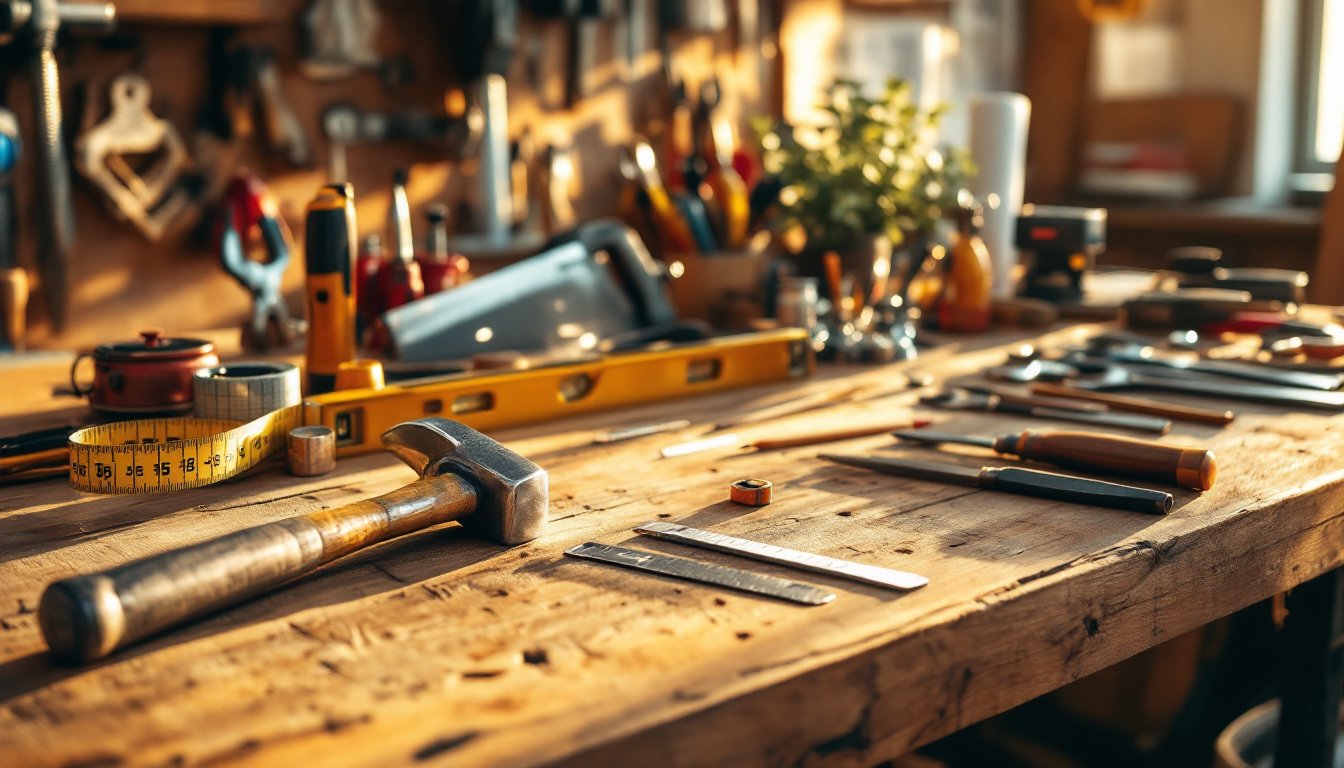
Measurement errors cascade into bigger problems. A 25-foot tape measure with a 1-inch wide blade is the industry standard, wider blades resist bending and won’t collapse mid-measurement. Mark your tape in pencil at key distances to avoid repeated measuring. When pulling tape, hold it firmly and avoid slack, which introduces error. For longer distances, a 100-foot tape exists, but most homeowners rarely need it.
A 4-foot level or 2-foot level shows whether surfaces are truly horizontal (level) or vertical (plumb). Look for one with bubble vials clearly visible and a sturdy aluminum or magnesium frame, plastic levels flex and lose accuracy. The spirit level works by air bubbles settling in liquid-filled tubes: if bubbles aren’t centered, your surface is off. Many DIYers also appreciate a digital level that displays exact angles, helpful for sloped applications like deck stairs.
For marking, grab a pencil (yes, a regular one) and a carpenter’s pencil, it’s thicker, marks darker, and doesn’t roll off angled surfaces as easily. A chalk line (also called a snap line) marks long, straight reference lines by snapping a string coated in chalk. Indispensable for layout work. A combination square marks 45° and 90° angles, measures depths, and acts as a ruler all in one tool, truly versatile.
Importance of accuracy: Construction hand tools rely heavily on precision. Projects requiring permits (electrical, load-bearing walls, structural changes) demand accuracy and often require third-party inspection. Cosmetic work like painting or installing trim tolerates slightly looser measurements, but you still want to measure twice and cut once. Resources like This Old House demonstrate how pros set up for accuracy from the start.
Cutting and Shaping Tools
Saws, Chisels, and Files
Handsaws still belong in your kit. A crosscut saw (teeth designed to cut across wood grain) handles most general cutting and comes in 16″ to 26″ lengths. A ripsaw (teeth designed to cut with the grain) works parallel to the grain, producing faster cuts. Many homeowners buy a jab saw (pointed, narrow blade) for cutting drywall or starting holes. A handsaw gives you control that a power tool can’t match in tight spaces or near finished surfaces.
Coping saws have a thin, removable blade stretched in a U-shaped frame, perfect for cutting curves in wood trim or coping joints in baseboard. Hacksaw frames hold fine-toothed blades designed for cutting metal pipes and bolts, essential if you do any plumbing or metal work. Keep extra blades on hand: they dull quickly and are inexpensive to replace.
Chisels (available in 1/4″, 1/2″, 3/4″, and 1″ widths) are for cutting joints like mortises and dadoes. A mortise is a rectangular hole (typically for hinges or locks): a dado is a groove routed into the face or edge of wood. You’ll use chisels to pare (shave) wood to precise depths and for cleanup work. Sharpen them regularly, a dull chisel is dangerous because it slips and requires excessive force. Keep a sharpening stone or honing guide to maintain edge: many DIYers outsource sharpening to tool shops.
Files (flat, round, or triangular profiles) smooth rough edges and shape metal or wood. A metal file has coarser teeth for steel: a wood file is finer. They’re indispensable after rough cuts. Work with the file, not against the grain, and apply steady pressure on the forward stroke, then lift on the return.
All cutting tools require eye protection and gloves. Flying wood splinters and metal shavings belong nowhere near your eyes. Wear dust masks when filing or sanding, as fine particles harm lungs. A solid guide like Fix This Build That covers woodworking safety in depth.
Gripping and Holding Implements
Pliers grip, bend, and cut wire. A slip-joint plier (handles two sizes with a pivot pin adjustment) is the everyday workhorse for general gripping and wire bending. Needle-nose pliers (long, tapered jaws) reach into tight spaces. Locking pliers (often called Vise-Grips) clamp down with a lever and lock in place, freeing your hands, invaluable for holding parts during assembly or fastening. Wire cutters (side cutters or diagonal cutters) nip through wire cleanly.
A C-clamp or bar clamp holds pieces together while glue dries or during drilling. Clamps come in various depths and clamping forces: buy a few sizes. Too much clamp pressure crushes soft wood, while too little lets the piece slip. Practice with scrap first.
Vises (mounted permanently to a bench) hold work steady with two parallel jaws that tighten via a screw. Essential for detailed work like filing, bending, or shaping. If you don’t have a vise, you’ll find yourself wishing you did the moment you need both hands free while working on a small piece.
Pry bars and crowbars remove nails, lift trim, and separate boards. A nail puller (small, forked head) extracts nails without marring surrounding wood. A flat pry bar (2-3 inches long) slips behind trim for gentle removal. Avoid bashing, use leverage and patience. Rushed prying splits wood and damages the pieces you’re trying to reuse.
For workshop setup, consult a Workshop Tools List: Essential Gear for Every DIYer to understand how these gripping tools fit into a larger organized space. Quality gripping tools are worth the investment because they reduce frustration, prevent hand strain, and protect your workpieces from unnecessary damage. Many professional renovations succeed simply because the crew chose the right holding tool for each step.