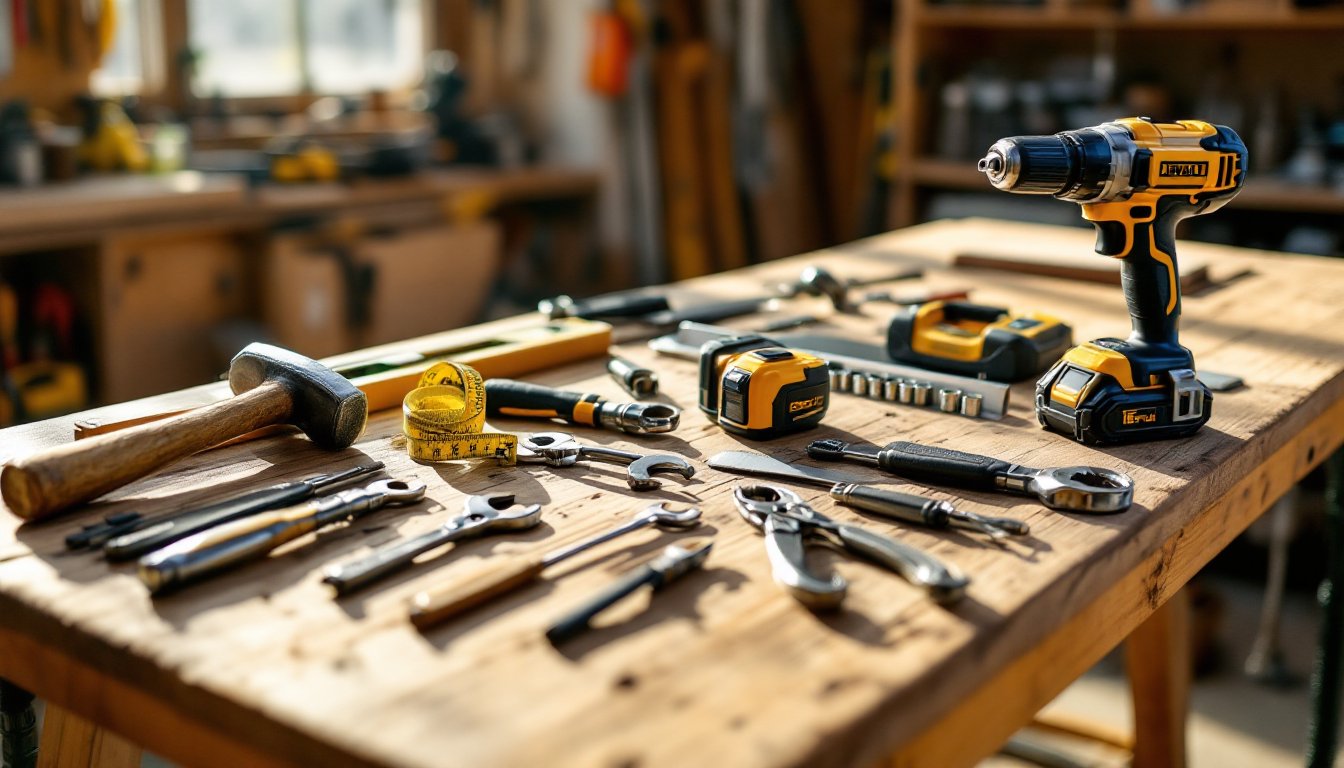
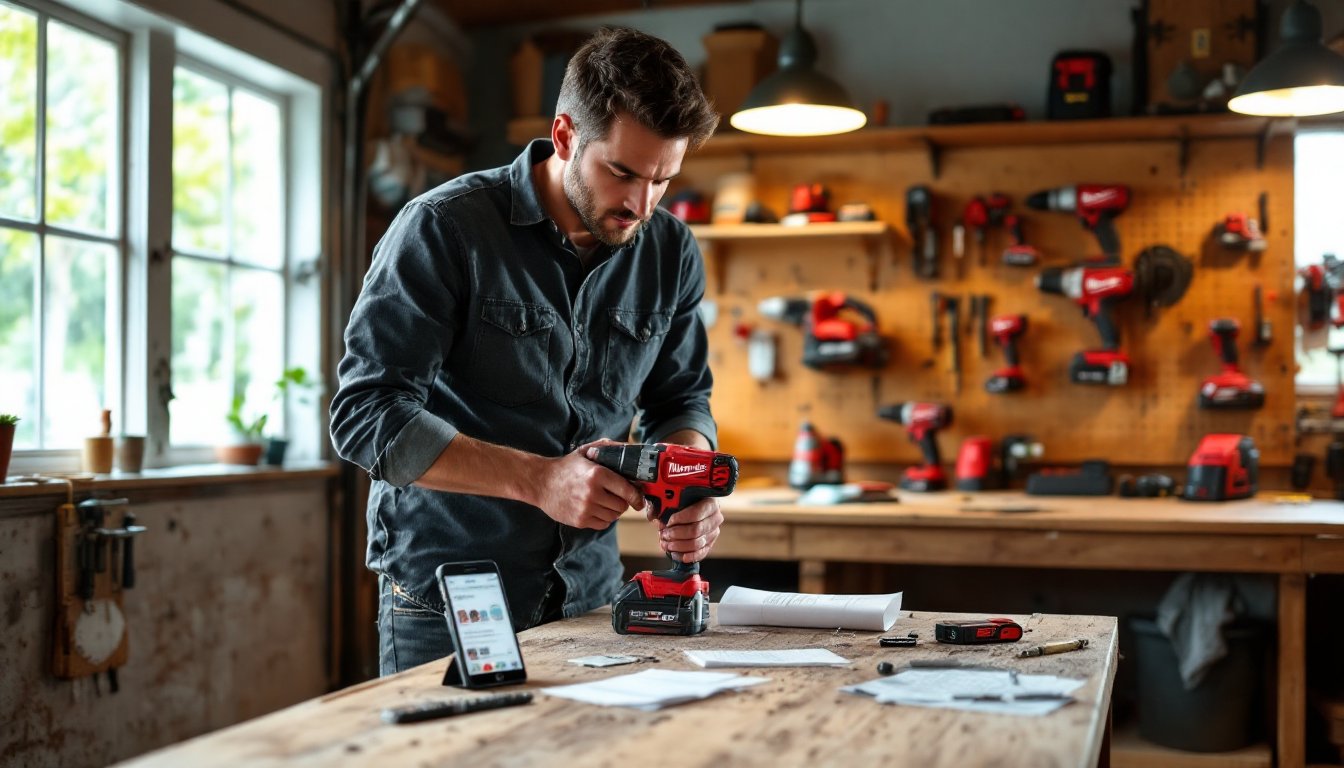
Whether you’re building your first birdhouse or tackling a full kitchen cabinet project, the right tools make all the difference. Grizzly woodworking tools have earned a solid reputation among DIYers and professionals alike for delivering reliable performance without the premium price tag of household names. If you’re sizing up your workshop and wondering whether Grizzly belongs on your bench, this guide walks you through what sets them apart, which tools you actually need to start, and how to build a capable workshop without very costly. We’ll keep it real: not every Grizzly tool is a slam dunk, but many punches well above their weight for the money.
Table of Contents
ToggleKey Takeaways
- Grizzly woodworking tools deliver industrial-grade quality at consumer-level prices, making them ideal for DIYers and small shop owners seeking reliable performance without premium markups.
- Essential starter tools include a miter saw, circular saw, table saw, planer, and sander—focusing on ripping, crosscutting, planing, and sanding tasks rather than purchasing specialty equipment.
- Grizzly tools require assembly and tuning out of the box, but consistent build quality with cast iron tables and sealed bearings ensures minimal vibration and long-term alignment.
- A functional beginner’s workshop with Grizzly equipment costs approximately $1,100–$1,900 in the first year, including dust collection and basic hand tools.
- Proper workshop setup—including dust collection, safe machine spacing, and sturdy workbenches—maximizes the value and safety of your Grizzly tool investment.
What Makes Grizzly Woodworking Tools Stand Out
Grizzly Industrial is a distributor and manufacturer of machinery and tools, primarily serving small shops and garage woodworkers. Their claim to fame: industrial-grade equipment at prices closer to consumer-level, paired with decent customer support and straightforward parts availability.
Several traits earn them loyalty. First, build quality is consistent. Most Grizzly tools use cast iron tables, sealed bearings, and robust drive systems that don’t feel cheap or flexi when you’re putting real work through them. A Grizzly table saw won’t vibrate like a box-store unit, and a Grizzly jointer holds alignment better than you’d expect at the price.
Second, they design for actual woodworkers. You get proper dust collection ports, cabinet designs that don’t rattle, and thoughtful details, like an open stand on their planer that makes access easier. Third, spare parts are stocked and reasonably priced: a replacement fence or motor doesn’t require a month of ordering.
The trade-off? Grizzly tools often require assembly and tuning out of the box. They don’t ship “ready to rip.” You’ll spend a few hours squaring the blade, shimming the fence, and adjusting gibs. If you value unboxing and using immediately, this matters.
Essential Grizzly Tools for Beginners
Starting out, you don’t need an entire warehouse. Focus on the core machines that handle the most common tasks: ripping, crosscutting, planing, and jointing.
A miter saw (chop saw) is your first purchase if you’re doing any framing or cutting pieces to length. Grizzly’s 10-inch sliding compound miter saw (~$200–$300) is accurate enough for trim work and honest enough for project wood. The slide mechanism smooths out compared to non-sliding models, and the fence system holds square through hundreds of cuts.
Circular saws are workhorse tools, especially for breaking down sheet goods. A Grizzly corded circular saw (~$80–$120) is lighter and more forgiving for beginners than many premium brands: you’ll actually use it instead of worrying about battery drain.
For a table saw, the Grizzly G0709 10-inch benchtop table saw (~$350–$450) is a solid entry point if your space is tight. It’s not a contractor’s saw, but it rips straight and handles 3/4-inch hardwood without complaint. Assembly takes 2–3 hours, and you’ll want to add a Grizzly aftermarket fence (often a community recommendation over the stock fence for repeatability).
Power Tools That Deliver Precision
A planer saves your back. The Grizzly G0552 benchtop thickness planer (~$400–$500) mills rough-sawn lumber to consistent thickness, critical if you’re buying kiln-dried boards. It’s loud (wear ear protection), but it doesn’t clog on figured grain like cheaper models.
A random orbital sander (ROS) handles smoothing without sweat. The Grizzly pneumatic 5-inch ROS (~$60–$100) is rock-solid and nearly indestructible if you keep the dust bag clear. Pneumatic tools run on shop air, so you’ll need a compressor: if you don’t have one, a corded electric ROS works fine and costs roughly the same.
Handheld tools matter too. A Grizzly cordless drill-driver (~$80–$150 without batteries) is straightforward and durable. Don’t overspend on a name: Grizzly’s versions perform identically to premium brands for one-third the cost in real-world use.
Investing in Quality: Why Grizzly Tools Matter for Your Workshop
A cheap tool teaches expensive lessons. If your table saw blade drifts 0.05 inches over a 40-inch rip, every board you cut is now unfit for joinery. A wobbly planer leaves tearout that requires extra sanding time and ruins the wood. These aren’t inconveniences, they’re project killers.
Grizzly’s price-to-performance ratio solves this. You’re not paying for advertising or premium retail markups: you’re buying a tool that was designed by people who actually use them. A Grizzly band saw doesn’t have fancy handles, but the table is cast iron, the blade tracking is reliable, and the fence aligns without fiddling constantly.
Over time, this compounds. A quality table saw fence saves you an hour per project. A planer that doesn’t clog saves you from buying multiple machines. A sander that holds its bearing tolerances means your final project feels smooth, not gritty.
Second, Grizzly tools hold resale value respectably. If you’re testing the waters and might sell later, a used Grizzly saw won’t crater in value like a budget-brand tool.
One caveat: Grizzly machines are stationary and heavier. They’re not for someone living in an apartment or swapping shops every two years. Buy Grizzly when you’re committed to a dedicated workshop space.
Setting Up Your First Workshop With Grizzly Equipment
Start with a clear layout. You’ll want a safe distance between machines, at least 3 feet of clear walking space behind your table saw, and a path to exit quickly if something goes wrong. Always unplug before adjusting fences or blades: seriously, make it habit.
Floor is critical. A smooth concrete slab is ideal: a plywood platform works if your space is temporary. Benchtop machines (planer, sander, smaller saws) can stack or sit on sturdy benches. Floor-standing machines like a cabinet table saw or full-size jointer need solid footing, a wobbly saw is a dangerous saw.
Dust collection keeps your lungs healthy and your tools happy. At minimum, a shop vacuum rated for fine dust (~$100–$200) beats sweeping. Connect it to your table saw, miter saw, and planer via 4-inch flexible hose or a tapered adapter. Grizzly sells dust collection kits, or you can source parts separately, the key is connecting everything with minimal leaks.
Workbenches are your command center. A solid 24×48 benchtop with a vise and clamps is enough to start: you’ll add a second bench as your projects grow. Grizzly sells ready-made benches, but a simple design built from 2×4s and plywood costs less and teaches you something.
Budget-Friendly Starter Packages
Grizzly doesn’t always bundle deals, but here’s a realistic first-year equipment budget (approximate, varies by region):
- Miter saw: $250–$350
- Circular saw: $100–$150
- Drill-driver: $100–$150
- Random orbital sander: $75–$120
- Shop vacuum and hose: $150–$250
- Workbench materials or basic bench: $200–$400
- Handheld tools (chisels, saws, squares, clamps): $150–$300
- PPE and consumables (blades, bits, sandpaper, finish): $100–$200
Total: roughly $1,100–$1,900 for a functional beginner’s workshop.
Resources like Fix This Build That publish detailed workshop setup guides and tool recommendations that can validate your choices. If you’re feeling stuck on tool selection, Popular Mechanics also reviews workshop equipment regularly and offers real-world testing data.
Skip the instant gratification. Buy what you’ll use in the next 6 months, not fantasy tools for projects you haven’t started. A Grizzly jointer is amazing, but if you’re not milling rough lumber, it’s a shelf ornament.
Conclusion
Grizzly woodworking tools represent a pragmatic choice for anyone serious about building quality projects without premium pricing. They reward setup effort with years of honest performance and real value. Start with the essentials, miter saw, circular saw, planer, and sander, build your bench thoughtfully, and let your skills (not your tools) be the limiting factor. When you’re ready to add specialized machines, Grizzly’s track record suggests you’ll still get fair quality for your dollar. The best tool is the one you’ll actually use: Grizzly’s lineup earns its spot in thousands of garage workshops because it delivers that promise. For additional DIY inspiration, Family Handyman is another trusted resource for project planning and workshop tips.