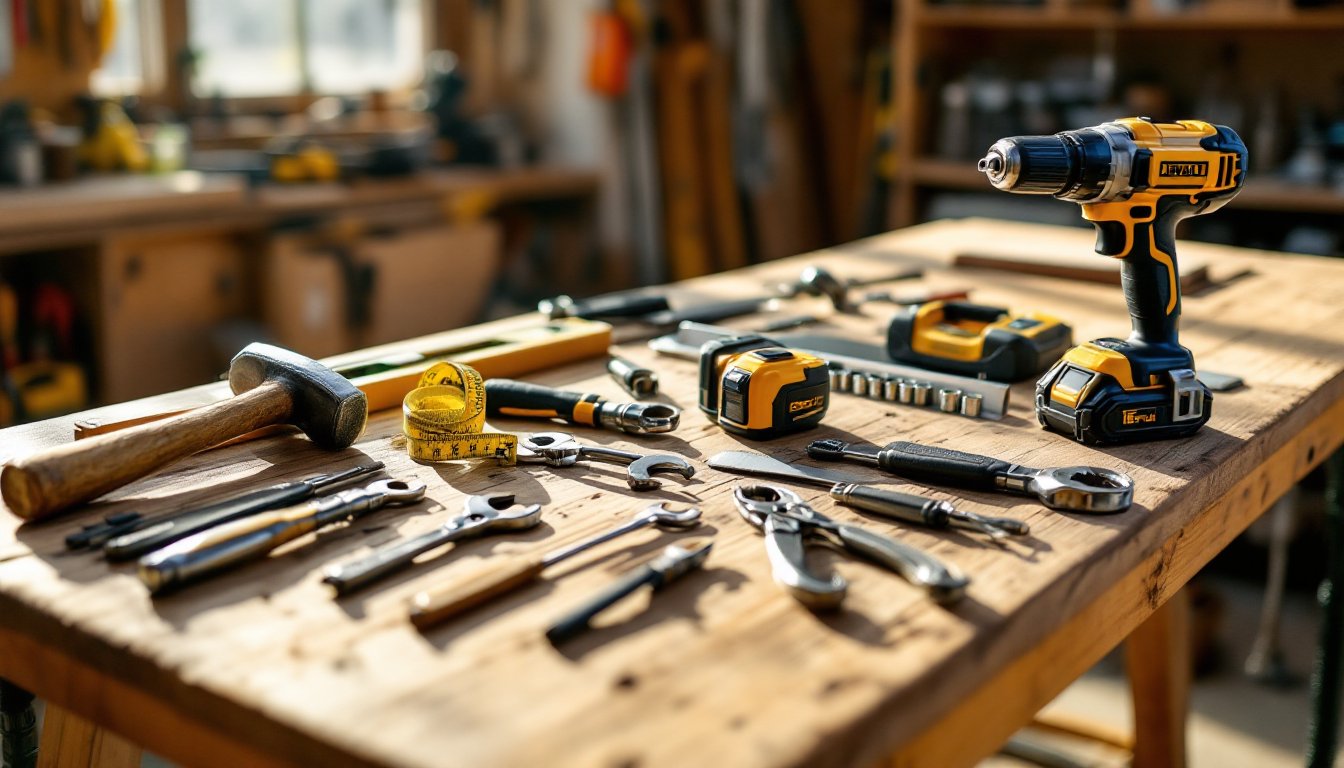
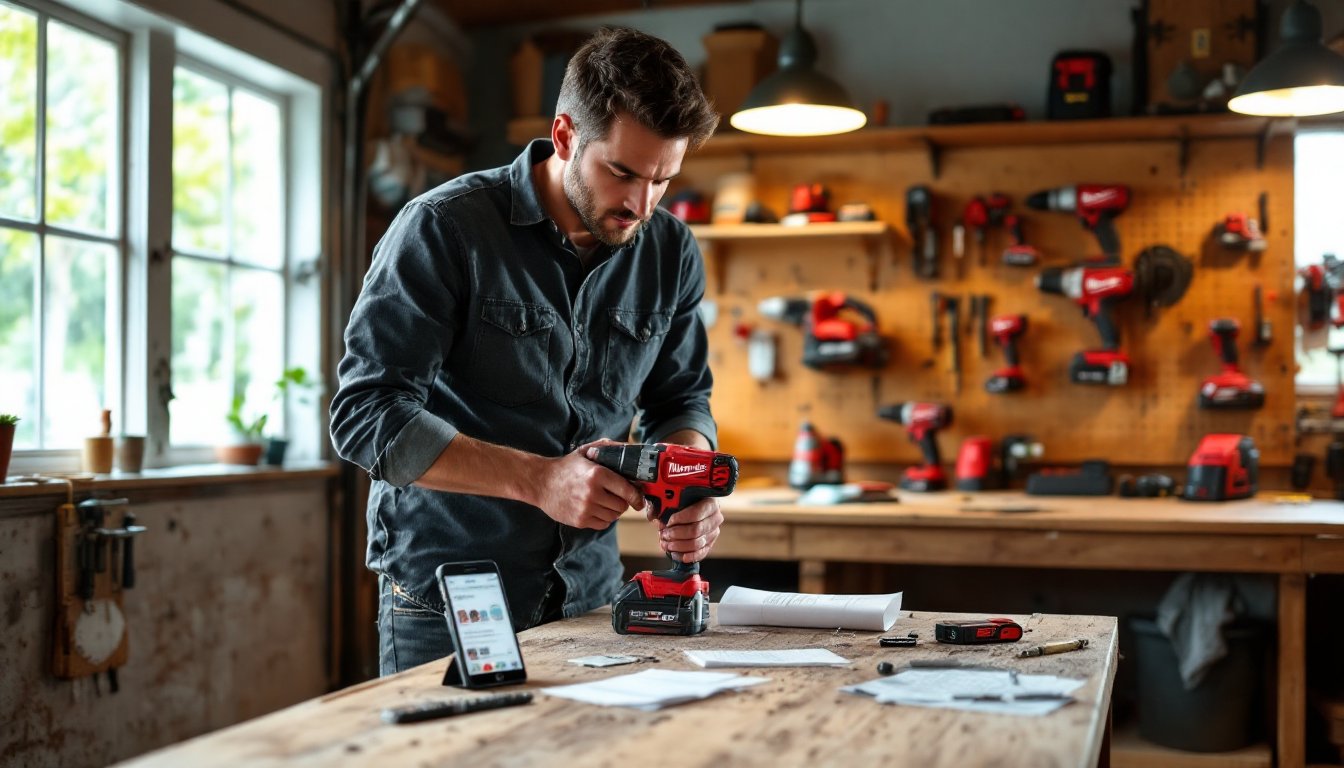
Building a reliable toolkit is one of the smartest investments a homeowner can make. Whether you’re hanging drywall, assembling furniture, or tackling a full kitchen remodel, having the right hand and power tools on hand eliminates frustration, saves time, and often makes the difference between a mediocre result and professional-quality work. The good news? You don’t need every tool on the market. This guide focuses on the essentials, the tools that pull their weight on real projects, not the impulse buys that collect dust. We’ll break down what belongs in your workshop and how to choose tools that match your actual projects, not just your ambitions.
Table of Contents
ToggleKey Takeaways
- Essential hand and power tools like a 16-ounce hammer, cordless drill, and circular saw form the foundation of any reliable toolkit and eliminate frustration on real projects.
- Invest in quality tools you’ll use weekly—a decent chisel, level, and brushless cordless drill pay dividends over time, while specialty tools like nail guns and drywall lifts can be rented for one-time projects.
- Match your hand and power tools to your actual projects, not your ambitions; a homeowner assembling furniture needs only a drill and screwdrivers, while deck builders require saws and impact drivers.
- Cordless drills with 18–20 volt brushless motors, 4.0+ Ah batteries, and a 3/8-inch chuck provide the best balance of power, runtime, and affordability for most home projects.
- Safety gear including side-protection safety glasses, hearing protection, and dust masks are non-negotiable when operating power tools.
- Start with hand tools as your foundation, then add power tools as specific projects demand them, ensuring every tool earns its place in your workshop.
Essential Hand Tools for Basic Home Projects
Hand tools are the foundation of any workshop. They’re affordable, reliable, and many jobs simply can’t be done well without them, no power tool replaces a quality hammer or a well-sharpened chisel.
Claw hammers, typically 16-ounce, handle framing, trim work, and pulling nails. The weight matters: too light and you’ll tire quickly: too heavy and you lose control. For trim and finish work, a 13-ounce version works better.
Tape measures should be at least 25 feet long with a 3/8-inch or 1/2-inch blade. A thicker blade extends further without collapsing and resists bending. Measure twice: cut once isn’t a cliché, it’s the difference between wasted material and a clean fit.
Levels are non-negotiable for shelves, cabinets, and any structural element. A 24-inch aluminum or composite level handles most tasks: a 2-foot length is easier to handle than a 4-footer for DIYers. Check your level against a known-true surface before buying to ensure it’s accurate.
Screwdrivers come in Phillips and flathead varieties. Buy a set with multiple sizes rather than specialty kits promising 47 pieces. You’ll use a #2 Phillips and a 1/4-inch and 3/16-inch flathead constantly: the rest collect dust. Magnetic tips save frustration.
Adjustable wrenches bridge the gap between owning a full socket set and having nothing. A 10-inch adjustable works for most home projects: check the jaw fits snugly without play before buying.
Pliers come in slip-joint, tongue-and-groove (adjustable pliers), and locking varieties. Slip-joint handles basic wire bending and fastener removal: tongue-and-groove excels at gripping larger objects: locking pliers lock onto a fastener, freeing your hand. You won’t regret owning one of each.
Chisels, even just a set of four (1/4″, 1/2″, 3/4″, 1″), open up mortise work, cleaning dados, and detail carpentry. Cheap chisels dull instantly: invest in common hand tools that hold an edge. A good chisel costs $10–$20: it’ll outlast your house.
Tape and measuring essentials like a speed square, a 7-inch aluminum square, help mark rafter angles and 45-degree cuts without complex math. It’s invaluable for framing and deck work.
Power Tools That Transform Your Workshop
Power tools expand what’s possible. A drill lets you drive hundreds of fasteners in the time a screwdriver handles dozens. A circular saw turns a day of hand-saw work into an hour. But power tools demand respect, misuse causes injury, so safety first, always.
Wear safety glasses (not just regular glasses: side protection matters) and hearing protection when running any power tool regularly. Dust masks or respirators depend on the work: fine dust from sanding plywood calls for a P100 mask: demolition work may demand a powered respirator.
Cordless Drills and Impact Drivers
A cordless drill-driver is the workhorse of modern DIY. Look for 18-volt or 20-volt models, they deliver enough power for most fastening and light drilling. Brushless motors run cooler and longer than brushed versions and cost $20–$30 more: it’s worth it if you use the tool regularly.
Chuck size matters less than you’d think. A 3/8-inch chuck handles standard bits: a 1/2-inch chuck grips larger bits but adds weight. For home projects, 3/8-inch is the sweet spot.
Battery capacity (measured in amp-hours, or Ah) determines runtime. A 2.0 Ah battery runs shorter: a 4.0 Ah or 5.0 Ah lasts half the day without a swap. Buy two batteries if you can afford it, one charging while the other works keeps projects flowing.
Impact drivers look like compact drills but deliver rotational force (called “impact”) that makes fastening faster and easier, especially with larger fasteners. They excel at deck screws and lag bolts. An impact driver costs $50–$100 more than a drill: buy one if you’re doing structural work or significant fastening. For basic trim and cabinet assembly, a drill-driver suffices.
Circular Saws and Angle Grinders
A circular saw crosscuts lumber, plywood, and even composite materials with a 7.25-inch blade. For framing and deck work, it’s indispensable. Cordless models work fine for casual use: corded saws deliver more consistent power for heavy work.
Blade choice matters. A 24-tooth blade cuts fast but rough: 40-tooth blades are standard and balanced: 60-tooth blades cut fine plywood cleanly but burn if pushed hard. Change blades based on your material, not just stock the saw with one blade forever.
A miter saw (often called a chop saw) cuts angles and crosscuts cleaner than a circular saw and faster than a hand saw. If you’re building trim-work, door frames, or crown molding, a 10-inch miter saw is a game-changer. It requires a dedicated space and takes up real estate, so measure before buying.
Angle grinders handle metal cutting, grinding, and finishing. Most DIYers don’t need one for basic carpentry, but they’re invaluable if you’re working with metal hardware, cutting rebar, or polishing stone. A 4.5-inch grinder handles most household tasks: larger models are specialty tools. Grinders create sparks and hot debris, wear face protection and fireproof clothing.
Resources like Ana White and Fix This Build That offer project plans that clarify which power tools simplify specific builds.
Choosing the Right Tools for Your Projects
The most expensive toolkit in the world doesn’t help if tools don’t match your projects. A professional framing crew needs a nail gun and pneumatic nailers: a homeowner hanging a few shelves doesn’t.
Start with your actual work. Are you assembling IKEA furniture? A cordless drill and a screwdriver set suffice. Building a deck? Add a circular saw and a miter saw. Doing drywall and finish carpentry? A level, stud finder, and compound miter saw become essential.
Budget honestly. A basic cordless drill runs $50–$100 for a kit with battery and charger: a professional model is $200+. Neither is “wasted” money if it matches your use. Buying a premium impact driver when you screw in two fasteners a year is wasteful: buying it to build three decks is smart.
Rent specialty tools for one-time projects. A powder-actuated nail gun for hanging a concrete basement ceiling, a drywall lift for high ceilings, a concrete saw for cutting a drain trench, these rent cheaply for a weekend and aren’t worth owning unless you do that work monthly.
Check the workshop tools list to ensure you haven’t overlooked basics. Many DIYers forget sharpening tools (a file for plane irons, a whetstone for chisels) and clamps (you can never have too many, borrow them if buying a full set feels excessive).
Quality compounds over time. A cheap level will frustrate you on every project until you replace it. A decent chisel feels good to use and holds an edge. A cordless drill that’s comfortable in your hand gets grabbed first. Spend more on tools you’ll use weekly: economize on specialty items.
Brand loyalty helps but isn’t absolute. Established names, DeWalt, Makita, Milwaukee, Ridgid, have parts availability and warranty support. Emerging brands sometimes offer better value but weaker service networks. Read reviews on Popular Mechanics to balance cost against real-world durability. Many reputable retailers offer 30-day return windows: use them. A tool that doesn’t feel right won’t improve with time.
Conclusion
Building a workshop isn’t a sprint: it’s a gradual accumulation matched to your growing skills and ambitions. Start with hand tools, they’re forgiving teachers. Add power tools as specific projects demand them. Invest in quality where it counts, and don’t hesitate to rent or borrow for one-time tasks. The right tools make work faster, safer, and genuinely more enjoyable. That’s not a luxury, it’s the foundation of a sustainable DIY practice.