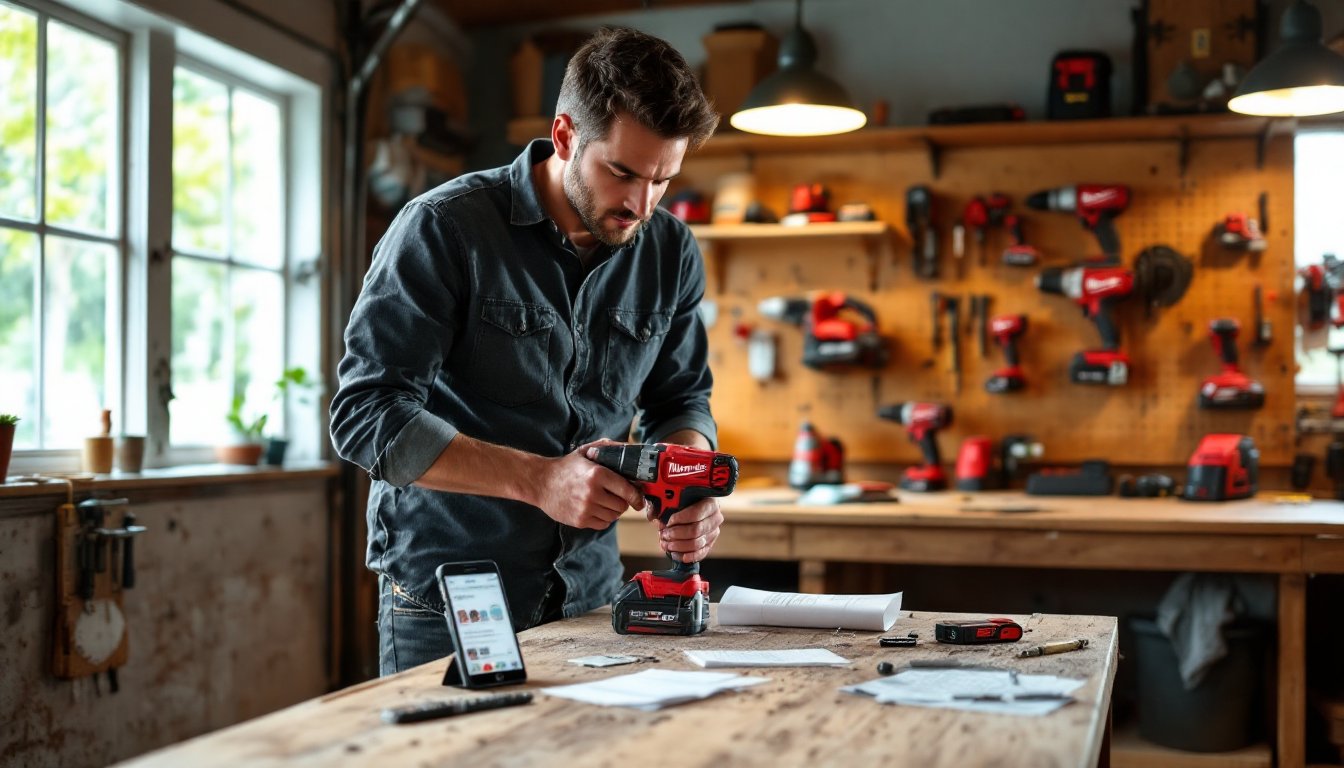
When you’re standing in your garage contemplating a new project, whether it’s hanging cabinets, building raised garden beds, or tackling a bathroom remodel, the right power tools make the difference between frustration and success. Ingersoll Rand power tools have earned a solid reputation among both DIY homeowners and professional contractors for their durability, performance, and value. This guide walks you through what makes these tools worth considering, which ones belong in your workshop, and how to choose the right tool for each job without overspending or cluttering your space.
Table of Contents
ToggleKey Takeaways
- Ingersoll Rand power tools maintain consistent torque and power output throughout battery life, ensuring reliable performance from the first task to the last.
- A single cordless drill paired with an impact wrench covers most DIY fastening and assembly needs, making these two tools essential for any home workshop.
- Interchangeable battery platforms across Ingersoll Rand models allow a single battery to power multiple tools, reducing long-term costs as you expand your collection.
- Higher amp-hour (Ah) batteries provide longer runtime without swapping—a 4.0 to 5.0 Ah battery justifies the extra cost for full-day projects like deck building.
- Regular maintenance like cleaning vents, proper battery storage, and using impact-rated bits extends tool lifespan to five+ years and prevents costly repairs.
- Bundles offering a drill, impact driver, and batteries provide better value than individual purchases if you plan to use all included tools.
What Makes Ingersoll Rand Power Tools Stand Out
Ingersoll Rand has been manufacturing air compressors and pneumatic tools for over 100 years, and in recent decades they’ve expanded into cordless power tool lines designed for homeowners and contractors alike. Their reputation rests on several practical strengths.
First, their tools tend to deliver consistent power output without significant voltage sag, even as the battery drains. That means a drill maintains torque on the 47th hole the same way it does on the first. Second, Ingersoll Rand tools use interchangeable battery platforms across many models, so buying one battery can power multiple tools, a real advantage when you’re building a kit gradually.
Third, they’re built with straightforward designs that don’t hide problems. If something wears out, replacement parts are usually available without proprietary hassles. DIYers appreciate this practical approach: no unnecessary frills, reasonable pricing, and support when you need it. And while they won’t win style points in a magazine shoot, they’re quiet and well-balanced enough for long work sessions without hand fatigue.
Essential Ingersoll Rand Power Tools for Your Workshop
Not every homeowner needs every tool. Start with your most frequent tasks and build from there. Here’s where Ingersoll Rand shines for basic DIY work.
Cordless Drills and Drivers
A cordless drill-driver is the backbone of most DIY workshops. The Ingersoll Rand cordless drill typically offers 1/2-inch chuck capacity, variable speed (0–1,500 RPM is common), and around 18–20V battery voltage for homeowner-grade models. This size handles wood, plastics, and lighter metals without struggle.
Why this matters: A faster RPM is overkill for driving 3-inch deck screws, but you need the option when drilling holes in hardwood or switching to a mixing paddle. Variable speed control lets you dial down power for delicate work like drilling into drywall without punching through, or ramping up for lag bolts in structural beams.
For DIY projects, a single 18V or 20V Ingersoll Rand cordless drill will handle most fastening and boring work. If you’re planning heavy outdoor work (deck building, fence posts), look for a model with brushless motor technology, it runs cooler and lasts longer than brushed alternatives, and the extra longevity justifies the modest price premium.
Second-hand or kit-bundled Ingersoll Rand drills are often available at reasonable prices, especially if you don’t need the latest battery technology. A 5–7 year old model will still drive screws reliably for weekend projects.
Impact Wrenches and Sockets
If you’re changing vehicle tires, removing stubborn fasteners, or assembling heavy outdoor structures, an impact wrench is a game-changer. Ingersoll Rand makes cordless impact wrenches that deliver rapid rotational force, sometimes 1,500+ foot-pounds of torque, to break loose rusted bolts that would defeat a regular drill in seconds.
Critical point: impact wrenches are loud. Always wear ear protection (foam plugs or muffs rated for 90+ dB sound). The repetitive hammering is hard on hearing, and your future self will thank you for protecting it now.
For homeowner use, a mid-range 1/2-inch drive cordless impact wrench (18–20V) covers most scenarios: automotive work, bolting down fence hardware, assembling patio furniture. Match it with a set of 1/2-inch drive sockets (usually sold separately) and you’re covered for fasteners up to about 1-1/8 inches wide.
One practical note: impact wrenches are overkill for regular fastening. They’re loud, they can strip softer materials, and they’re tiring to hold for extended periods. Use them for what they’re designed for, heavy removal and assembly, and stick with your regular drill for everyday driving.
Choosing the Right Ingersoll Rand Tool for Your Project
Before you buy, ask yourself three questions: How often will you use this tool? What job are you actually doing? And is there a simpler alternative?
For light fastening and assembly (hanging shelves, assembling furniture, small repairs), an 18V cordless drill is sufficient and less fatiguing than heavier models. For heavy structural work (deck building, concrete anchors), consider stepping up to a 20V model with higher torque output. Some Ingersoll Rand drills offer mode settings for driving (higher torque, lower speed) versus drilling (lower torque, higher speed), which extends battery life and reduces spinning-out.
Battery capacity matters more than most homeowners realize. Measured in amp-hours (Ah), a 2.0 Ah battery is fine for occasional weekend work. A 4.0 Ah or 5.0 Ah battery means longer runtime without swapping, especially valuable if you’re tackling a 200-screw deck or spending a full Saturday on a project. Higher capacity adds cost and weight, balance that against how long you’ll actually be working.
If you’re building a kit from scratch, compare Ingersoll Rand bundles (often sold with a drill, impact driver, and two batteries) against buying individual tools. Bundles are usually better value if you’ll use everything. Standalone tools make sense if you’re just adding to an existing collection.
For inspiration and step-by-step guidance on specific projects, resources like Instructables and Bob Vila often showcase tool choices that match particular jobs, you’ll see pros weighing cordless versus corded, battery brands, and real-world runtime comparisons. That kind of detail helps confirm whether an Ingersoll Rand tool is right for your scope.
Maintenance Tips to Extend Tool Life
Ingersoll Rand tools are tough, but they’ll last longer with basic care.
Clean regularly. Sawdust, drywall powder, and dirt accumulate in vents and cooling slots. After each session, wipe the exterior with a dry cloth and blow out vents with compressed air (keep the nozzle 2–3 inches away to avoid forcing debris deeper inside). This prevents motor overheating and keeps performance consistent.
Manage your batteries properly. Store Ingersoll Rand batteries in a cool, dry place (not a freezing garage or hot attic). Don’t leave them fully discharged for weeks, a partial charge maintains cell health. If a battery loses charge very quickly after a few weeks of storage, it’s dying and replacement is cheaper than troubleshooting. Most cordless batteries are rated for 2–3 years of light-to-moderate use before losing noticeable capacity.
Inspect chucks and bit holders. A loose chuck wastes energy and can crack bits. Periodically tighten the chuck by hand (with the tool unpowered) and verify bits sit straight. If a chuck wobbles even though tightening, it’s worn and replacement chucks are available for $15–30, much cheaper than buying a new drill.
Use appropriate bits and accessories. High-speed steel bits are fine for wood and plastic. For metal drilling, carbide-tipped or cobalt bits stay sharper longer. Impact-rated sockets and bits are stiffer and withstand the hammer blows of impact wrenches: regular drill bits can snap in impact mode. Matching tool and bit keeps both working properly.
Check cables (if corded models apply) and power connections. Frayed insulation or corroded battery contacts reduce efficiency and create safety risks. Clean contacts with a dry cloth, and keep cables away from sharp edges and heat sources. If you see damage, replace the cable or battery before use.
Regular maintenance doesn’t require specialized knowledge, it’s the difference between a tool that works reliably for five years and one that dies after two. Popular Mechanics offers detailed maintenance guides that apply to most cordless platforms and power tools.
Conclusion
Ingersoll Rand power tools offer solid performance and reliability for homeowners who want tools that work consistently without constant fiddling. A cordless drill and impact wrench cover the majority of fastening tasks, and their interchangeable battery platform keeps costs down as you expand your workshop. Start with what you need, maintain it well, and you’ll have dependable equipment for years of projects ahead.